



Knee
Anatomy
Conditions / Disorders
Procedures
Anterior Cruciate Ligament Injury

What is an ACL?
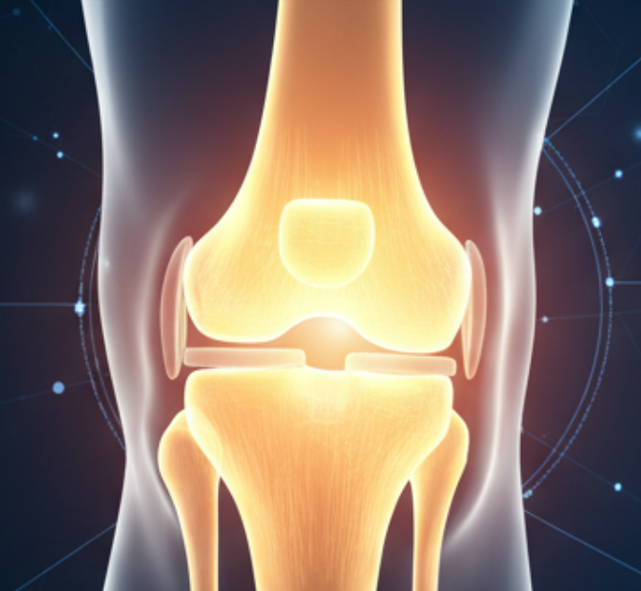
The anterior cruciate ligament connects two bones in your knees, the femur and tibia bones and gives the knee its rotational stability while controlling its back and forth movement. It allows you to do exercises that cause your knees to twist and turn. Without the ACL, your knee will feel unstable when doing activities such as basketball, football and tennis.
Anterior Cruciate Ligament (ACL) Injuries
The anterior cruciate ligament (ACL) plays a critical role in stabilizing the knee, yet it is one of the most frequently injured ligaments, particularly among athletes and active individuals. ACL injuries often result from twisting motions, hyperextension, or direct impact, and can significantly impair knee function.
How ACL Injuries Occur
ACL injuries can be categorized into contact and non-contact mechanisms:
- Contact injuries: Result from external forces, such as a bad tackle during sports.
- Non-contact injuries: The most common type, often caused by abrupt movements like forceful twisting, sudden stops, or hyperextension.
Patients typically experience:
- Pain and instability.
- A popping or crunching sensation during the injury.
- Rapid swelling and stiffness due to bleeding within the knee joint.
- Difficulty continuing activity immediately after the injury.
Symptoms and Signs of ACL Rupture
The ACL is a key stabilizer of the knee, and its injury often results in:
- A sudden “pop” sound at the time of injury.
- Balloon-like swelling due to bleeding within the knee capsule.
- Pain, instability, and restricted movement.
- Positive results on diagnostic physical tests such as the Lachman test, anterior drawer test, and pivot-shift test, which are standard in assessing ACL integrity.
Diagnosis and Imaging
An ACL injury is typically diagnosed through:
- Clinical examination: A comprehensive assessment by an experienced physiotherapist or knee specialist.
- Imaging: X-rays and advanced scans such as MRI to confirm the injury and evaluate associated damage to cartilage, meniscus, or other knee structures.
Advanced Treatment Options
Non-Surgical Management
For partial tears or less active patients, non-surgical treatment may include:
- Functional bracing to limit twisting movements while maintaining mobility.
- A personalized physiotherapy program focused on strengthening and stabilizing the knee.
Surgical Treatment
For complete ruptures or individuals aiming to return to high-demand activities, ACL reconstruction is recommended. Advances in surgical techniques allow for:
- Arthroscopic procedures: Minimally invasive surgery for ligament reconstruction and simultaneous treatment of associated injuries to cartilage or meniscus.
- Accelerated rehabilitation: Modern techniques facilitate faster recovery, enabling patients to regain strength and return to their desired activity levels.
How Do I Know If I Ruptured My ACL?
A ruptured Anterior Cruciate Ligament (ACL) often presents with the following symptoms:
- Severe Pain and Swelling: These occur almost immediately after the injury. Many patients also report hearing a distinct ‘pop’ or snapping sound at the moment of injury.
- Knee Instability: After the initial pain subsides, activities like descending stairs, getting out of a car, or playing sports involving twisting (e.g., basketball, football) may cause the knee to feel unstable.
- Stiffness: Limited range of motion and difficulty in fully straightening or bending the knee are common.
- Other Symptoms: Discomfort while walking, loss of range of motion, and pain along the knee joint.
Interestingly, patients may not notice instability during straight-line activities like jogging or cycling, as these motions involve minimal twisting of the knee.
Your Path to Recovery
The decision to repair or reconstruct the ACL is not an emergency. Following diagnosis, the knee is placed in a functional brace to reduce swelling and allow the injury to stabilize. Patients are then guided through a thorough consultation to determine the best treatment plan tailored to their lifestyle and goals.
Our team of experienced orthopaedic surgeons at Care Orthopaedic and Sports Medicine Center specializes in managing ACL injuries through both surgical and non-surgical approaches. We focus on delivering personalized care, beginning with an accurate diagnosis and extending to tailored treatment and rehabilitation plans designed to meet your unique needs and goals.
Whether you require non-surgical therapies, such as bracing and physiotherapy, or advanced arthroscopic surgery to reconstruct the ligament, our priority is to restore your knee’s stability, strength, and functionality. With state-of-the-art techniques and a commitment to excellence, we aim to guide you through a seamless recovery process, empowering you to return to your active lifestyle with confidence and ease.