



Knee
Anatomy
Conditions / Disorders
Procedures
Meniscal Tears

Meniscal tears are among the most common injuries to the knee, especially in individuals involved in sports that require twisting, turning, or sudden directional changes. These injuries can cause significant pain, instability, and functional limitations if not treated appropriately.
What is the Meniscus, and Why is it Important?
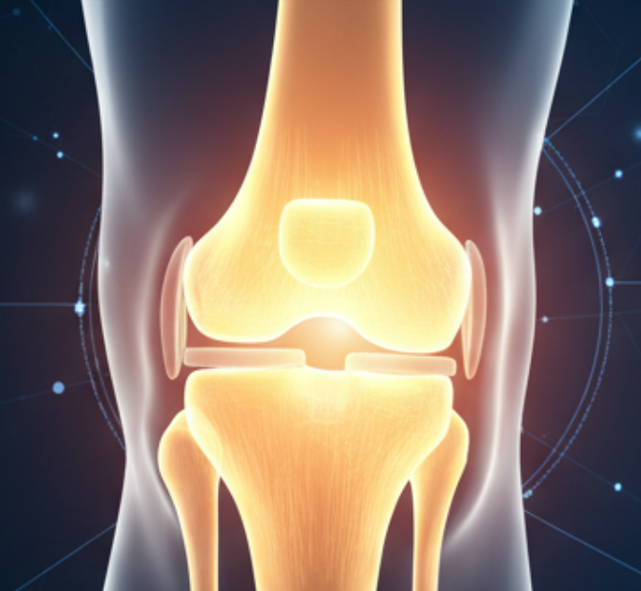
The meniscus is a C-shaped cartilage structure located in each knee. There are two menisci in each knee joint:
- Medial Meniscus:Located on the inner side of the knee.
- Lateral Meniscus:Located on the outer side of the knee.
The menisci serve several critical functions:
- Shock Absorption:Distributing load evenly across the joint.
- Joint Stability:Supporting proper alignment during movement.
- Protecting Articular Cartilage:Reducing wear and tear on the femur and tibia.
Causes of Meniscal Injury
Meniscal injuries occur due to:
- Twisting or Turning Sports:Activities such as football, basketball, and skiing are high-risk.
- Aging:As we age, the meniscus becomes less resilient and more prone to degeneration.
- Trauma or Overuse:Repetitive stress or sudden impact can lead to tears.
- Associated Injuries:Meniscal tears often accompany ligament injuries, such as an ACL rupture.
Types of Meniscal Tears
Meniscal tears are classified based on their shape and location:
- Vertical Tears:Extend vertically through the meniscus.
- Horizontal Tears:Occur parallel to the surface of the meniscus.
- Bucket Handle Tears:A large tear that may cause knee locking.
- Parrot Beak Tears:A small tear resembling a beak.
- Complex Tears:A combination of tear patterns.
- Degenerative Tears:Common in older individuals due to cartilage weakening.
Symptoms of Meniscal Tears
- Localized Knee Pain:Often centered in the medial or lateral tibiofemoral compartments.
- Locking or Catching:Difficulty straightening the knee or feeling it “catch” during movement.
- Clicking or Giving Way:Sensations of instability, especially during twisting motions.
- Swelling and Stiffness:Accompanying discomfort and reduced mobility.
Diagnosis
Diagnosing a meniscal tear involves:
- Clinical History and Examination:A detailed discussion about your symptoms, injury mechanism, and knee function.
- Imaging Tests:
- X-rays:To rule out fractures.
- MRI:The gold standard for visualizing meniscal tears, assessing their location, severity, and any associated injuries.
Treatment of Meniscal Injuries
Conservative Management
For small tears or degenerative injuries, conservative treatment may be effective:
- Rest and activity modification.
- Anti-inflammatory medication.
- Ice packs and compression to reduce swelling.
- Physiotherapy to strengthen the surrounding muscles and improve mobility.
Surgical Management
Surgical intervention is indicated when:
- Symptoms persist despite conservative treatment.
- The tear causes locking, significant pain, or instability.
Meniscal Repair
- Why Repair Matters:Preserving the meniscus is vital to maintaining joint function and preventing cartilage degeneration.
- Suitable Cases:Fresh tears in the peripheral meniscus (red-red zone) with good blood supply.
- Procedure:Performed via arthroscopy (keyhole surgery), followed by bracing and a structured rehabilitation program.
Meniscectomy
- When Repair Isn’t Possible:Tears in the central “white-white” zone, older tears, or frayed meniscal tissue.
- Procedure:Irreparable portions are trimmed to prevent further damage while preserving as much healthy tissue as possible.
Recovery and Rehabilitation
After surgery, recovery focuses on:
- Pain and swelling management with medication, ice, and compression.
- Regaining strength and mobility through guided physiotherapy.
- Protecting the knee with braces and gradual return to activity based on healing progression.
Factors Affecting Treatment Decisions
Key factors influencing treatment include:
- Patient Age and Activity Level:Younger, active patients may benefit more from repair.
- Type, Location, and Chronicity of Tear:Peripheral tears with good blood supply have better healing potential.
- Symptom Severity:Locking or instability often necessitates surgical intervention.
Seek Timely Medical Advice
Meniscal tears can worsen over time if left untreated. Early diagnosis and treatment are crucial to restoring knee function and preventing long-term complications. Contact our Orthopaedic team today to schedule an evaluation and discuss the best treatment options for you.