



Knee
Anatomy
Conditions / Disorders
Procedures
Miserable Malalignment

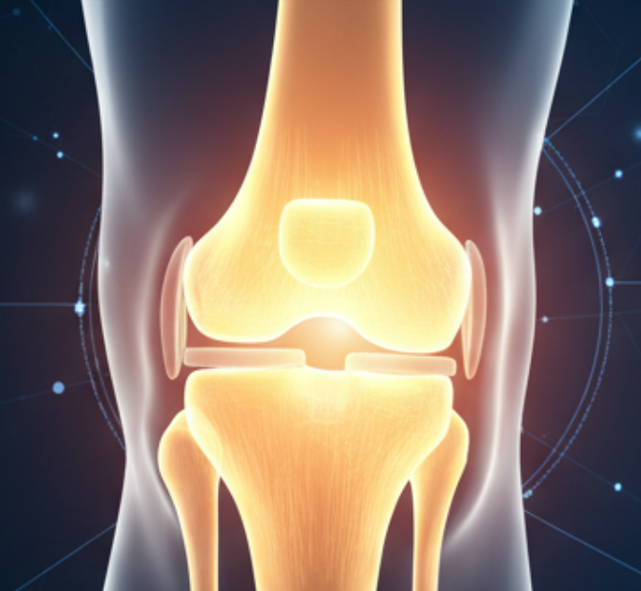
Miserable malalignment is a unique combination of rotational deformities affecting the lower limb. This condition typically involves an inward rotation of the femur (femoral anteversion) coupled with an outward rotation of the tibia (external tibial torsion). The resulting misalignment can alter the biomechanics of the leg, leading to issues such as patellar pain and instability.
Causes of Miserable Malalignment
Miserable malalignment is most often congenital but can also result from:
- Developmental Abnormalities:Improper growth of the femur and tibia during childhood.
- Trauma:Fractures or injuries that heal with rotational deformities.
- Neuromuscular Disorders:Conditions that disrupt muscle balance around the hip and knee, exacerbating malalignment.
Symptoms and Consequences
The condition can lead to a range of symptoms and complications, including:
- Patellar Pain and Instability:Misalignment increases pressure on the kneecap, leading to pain, clicking, or dislocation.
- Gait Abnormalities:The altered biomechanics may cause an awkward walking pattern, fatigue, or imbalance.
- Early Joint Degeneration:Over time, the misalignment can lead to wear and tear on the hip, knee, and ankle joints.
Diagnosing Miserable Malalignment
Diagnosis involves a detailed clinical evaluation and imaging studies, including:
- Physical Examination:Assessment of limb alignment, gait, and patellar tracking.
- Imaging:X-rays, CT scans, or MRI to measure rotational deformities and evaluate joint health.
Management of Miserable Malalignment
Conservative Treatment:
- In mild cases, non-surgical interventions may help manage symptoms, such as:
- Physical Therapy:Strengthening and balancing muscles around the hip and knee to improve stability.
- Orthotic Devices:Braces or insoles to optimize alignment and reduce strain.
- Activity Modification:Avoiding activities that exacerbate symptoms, such as high-impact sports.
Surgical Treatment:
- Severe or symptomatic cases may require surgical correction, such as:
- Derotation Osteotomy:Surgical realignment of the femur, tibia, or both to correct rotational deformities.
- Patellar Realignment Procedures:Addressing associated patellar instability.
Why Early Management Matters
Addressing miserable malalignment early can significantly improve outcomes, preventing long-term complications like chronic pain or joint degeneration. With proper diagnosis and treatment, patients often regain mobility, comfort, and confidence in their daily activities.