




Knee
Anatomy
Conditions / Disorders
Procedures
Patella Alta

Understanding Patella Alta:
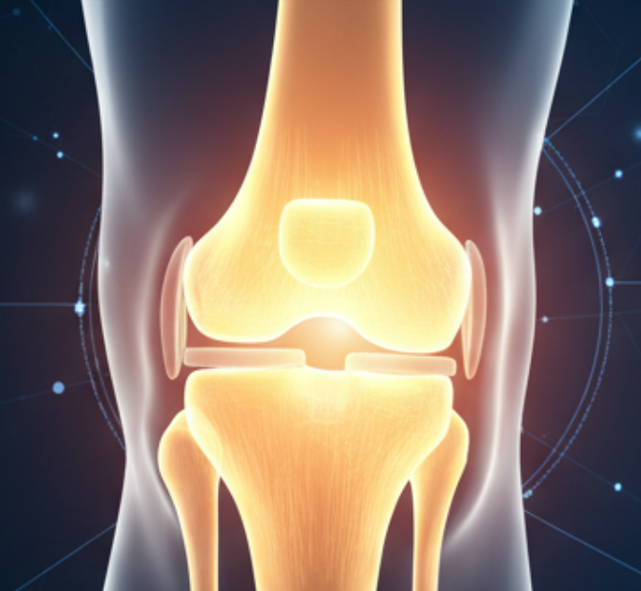
Patella alta is a condition where the kneecap (patella) sits higher than usual on the femur (thigh bone), often leading to instability, subluxation, or even dislocation. While some individuals are born with this condition without symptoms, others may experience anterior knee pain or instability.
Causes of Patella Alta
- Congenital Factors: Many patients are born with this anatomical variation.
- Trauma: Rupture or avulsion of the patellar tendon can pull the kneecap into an abnormally high position, disrupting normal knee mechanics.
Evaluation of Patella Alta:
Orthopaedic surgeons use standardized measures such as the Insall-Salvati Ratio and the Caton-Deschamps Index to assess patellar height. A thorough evaluation considers these indices along with other clinical parameters to determine the need for intervention.
How Serious is Patella Alta?
Patella alta, a condition where the kneecap sits higher than normal on the femur, can range in severity. In some cases, it may simply be an incidental finding during an X-ray or routine examination, causing no noticeable symptoms.
However, when patients experience instability—such as the kneecap tending to sublux (partially dislocate) or fully dislocate—it becomes a significant clinical concern. In such situations, further evaluation is essential, and surgical intervention may be considered to restore stability and function.
As noted in a peer-reviewed study:
“Patella alta is a major contributor to recurrent patellar instability, particularly in young athletes.”
— Hinkley P, Fletcher C, Strickland S. (2022)
If patellar instability is affecting your quality of life, consult an orthopaedic specialist to explore tailored treatment options.
Conservative Management
For mild cases, non-surgical interventions like specialized braces (e.g., ‘do-nut’ braces) or physiotherapy focusing on strengthening the VMO (Vastus Medialis Oblique) muscle may provide relief and improve stability.
Can a knee brace fix patella alta?
A ‘do-nut’ brace, with a cutout to accommodate the patella, may be helpful in reducing incidence of subluxation or dislocation, but it not likely to change the anatomy itself.
When is Surgery Necessary?
Although patella alta may not always require treatment, it becomes concerning if it contributes to recurrent instability, subluxation, or dislocation. Surgical options are discussed based on the severity of the symptoms and their impact on the patient’s quality of life.
Surgical Treatment Options
- MPFL (Medial Patellofemoral Ligament) Reconstruction: Reestablishes stability to prevent dislocations.
- Proximal Realignment: Reinforces structures above the patella.
- Tibial Tubercle Transfer (TTT): Adjusts the position of the tibial tubercle to improve patellar alignment.
- Patellar Tendon Imbrication: Tightens the tendon to restore its normal position, often used for younger patients.