


Knee
Anatomy
Conditions / Disorders
Procedures
Runner Knee

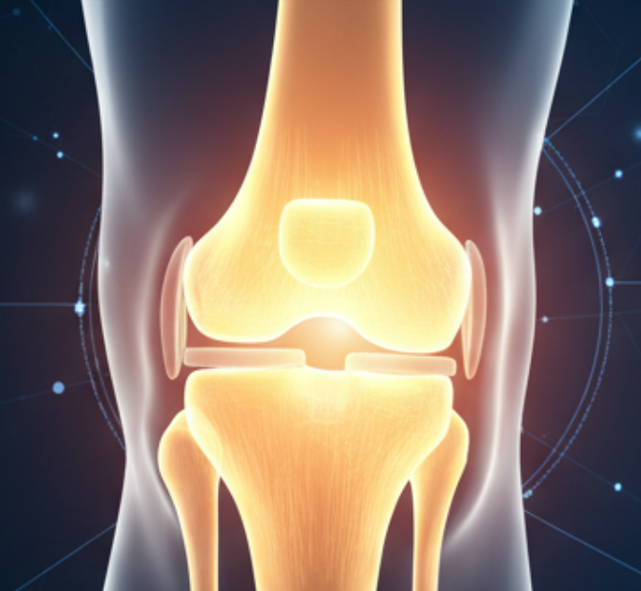
Runner’s Knee, also known as Patellofemoral Pain Syndrome, is a common condition that causes pain around or behind the kneecap. Despite its name, it doesn’t only affect runners; anyone engaging in repetitive knee-bending activities or daily movements can experience this condition.
Symptoms of Runner’s Knee
- Pain Location:Typically felt in the front, sides, or all around the knee.
- Activity-Triggered Pain:Activities such as running, squatting, jumping, climbing stairs, or sitting for prolonged periods can worsen the discomfort.
- Grinding or Clicking Sensations:Some may experience grinding, clicking, or a feeling of instability in the knee.
- Swelling:Mild swelling around the kneecap is common in more severe cases.
Causes of Runner’s Knee
- Muscle Imbalances and Weakness
- Weak quadricepsor gluteal muscles can lead to improper tracking of the patella during knee movement, increasing stress on the joint.
- Tight hamstrings or iliotibial (IT) bands can also pull on the knee structures, causing pain.
- Overuse and Repetitive Movements
- Activities like running, lunges, squats, and jumping put repetitive stress on the knee, irritating the tissues around the kneecap.
- Poor Foot and Leg Alignment
- Flat feetor over-pronation can disrupt proper knee mechanics, leading to excessive stress on the joint.
- Structural misalignment, such as knock knees or bowed legs, may also contribute to the condition.
- Maltracking of the Patella
When the kneecap moves improperly within its groove, it can irritate the cartilage and surrounding tissues, causing pain and inflammation.
Diagnosis
Accurate diagnosis is essential for effective treatment and typically involves:
- Thorough History:Understanding the activities or movements that trigger symptoms.
- Clinical Examination:Assessing muscle strength, knee alignment, and patellar tracking.
- Imaging:
- X-rays:To rule out fractures or structural abnormalities.
- MRI:For detailed evaluation of the cartilage, soft tissues, and patellar alignment.
Treatment Options for Runner’s Knee
- Conservative Management
- Rest and Activity Modification:Avoid activities that exacerbate symptoms and allow the knee to heal.
- Physiotherapy:
- Focus on strengthening the quadriceps, hamstrings, and glutes to improve knee stability and alignment.
- Stretching exercises to release tight muscles, including the IT band and hamstrings.
- Insoles and Orthotics:
- Custom orthotics to address flat feet or over-pronation, reducing stress on the knees.
- Pain Management:
- Non-steroidal anti-inflammatory drugs (NSAIDs) for pain relief.
- Ice packs to reduce swelling and discomfort.
- Advanced Treatments
- Viscosupplementation:Injections of hyaluronic acid to improve joint lubrication and reduce friction.
- Platelet-Rich Plasma (PRP) Therapy:Promotes healing and reduces inflammation in the knee joint.
- Surgical Interventions
In rare cases where conservative treatments fail, surgery may be necessary to correct misalignment or address damaged cartilage.
Preventing Runner’s Knee
- Proper Warm-Up and Cool-Down:Always prepare your body for activity with dynamic stretching and cool down afterward.
- Strengthening Exercises:Regularly strengthen the quadriceps, hamstrings, and glutes to maintain knee stability.
- Appropriate Footwear:Invest in shoes with proper support and cushioning to minimize stress on the knees.
- Gradual Progression:Avoid overloading the knee by gradually increasing the intensity and duration of activities.
When to Seek Help
If knee pain persists despite rest and home remedies, or if symptoms like swelling, instability, or locking worsen, consult an orthopedic specialist. Early diagnosis and intervention can prevent complications and ensure a quicker return to pain-free activities.
Contact our clinic orthopaedic specialists for a comprehensive evaluation and personalized treatment plan to address your knee pain effectively.