




Knee
Anatomy
Conditions / Disorders
Procedures
Partial Knee Replacement
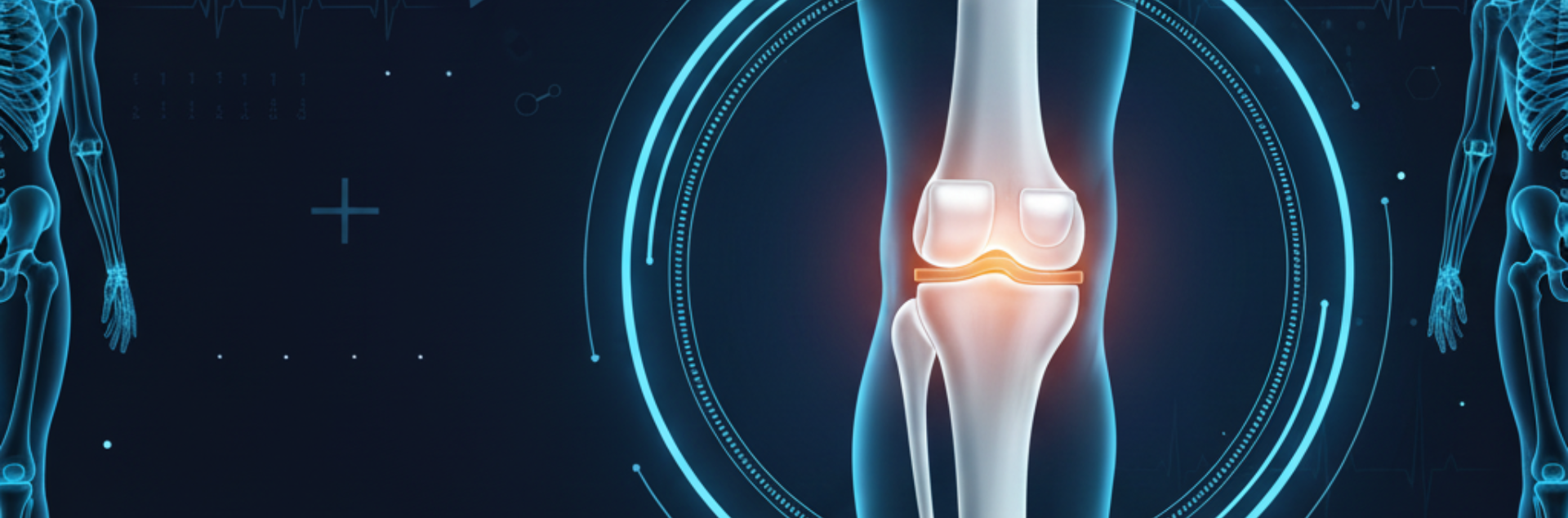
Partial knee replacement, also known as unicompartmental knee replacement, is a surgical procedure designed to address arthritis or joint damage localized to one compartment of the knee. This advanced, minimally invasive technique preserves healthy bone, cartilage, and ligaments while replacing only the damaged area with an artificial implant. It is an excellent option for patients with isolated knee arthritis who seek pain relief and improved mobility without undergoing a total knee replacement.
What is Partial Knee Replacement?
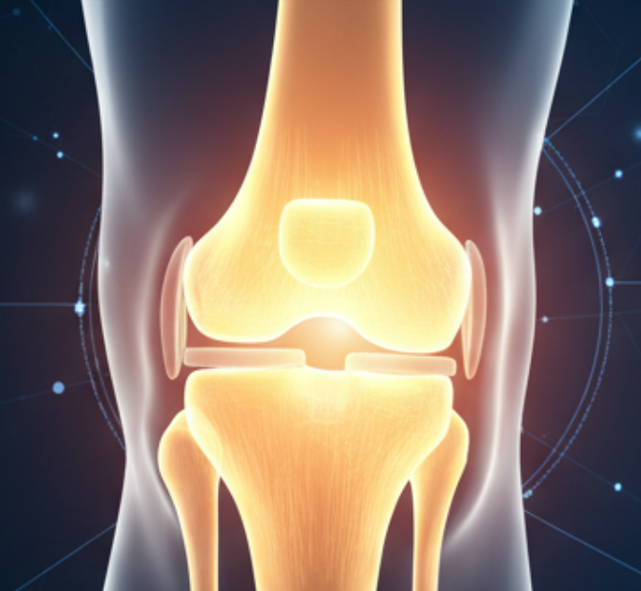
The knee joint is divided into three compartments:
- Medial compartment(inner side of the knee).
- Lateral compartment(outer side of the knee).
- Patellofemoral compartment(between the kneecap and thighbone).
Partial knee replacement is performed when arthritis or damage is limited to one of these compartments, sparing the unaffected portions of the knee. By targeting only the damaged area, this procedure retains more of the knee’s natural function and structure compared to total knee replacement.
Benefits of Partial Knee Replacement
- Minimally Invasive Approach: Smaller incisions, less trauma to surrounding tissues, and reduced blood loss.
- Faster Recovery: Shorter hospital stays and quicker return to daily activities.
- Natural Knee Movement: Retains the healthy ligaments and bone for a more natural feel and function.
- Lower Risk of Complications: Reduced risk of infection, blood clots, and other surgical complications.
- Durable Results: Modern implants are designed to provide long-lasting pain relief and improved mobility.
Who is a Candidate for Partial Knee Replacement?
This procedure is suitable for individuals who:
- Have arthritis confined to a single compartment of the knee.
- Experience persistent pain that affects daily activities despite non-surgical treatments.
- Have good range of motion and intact ligaments (e.g., anterior cruciate ligament).
- Are not significantly overweight or have no severe deformities of the knee.
A thorough evaluation, including X-rays, MRI scans, and physical examinations, helps determine if partial knee replacement is the best option for you.
The Procedure
- Preparation: The surgery is typically performed under spinal or general anesthesia.
- Incision and Access: A small incision is made over the knee to access the affected compartment.
- Removal of Damaged Tissue: The damaged bone and cartilage in the affected compartment are carefully removed.
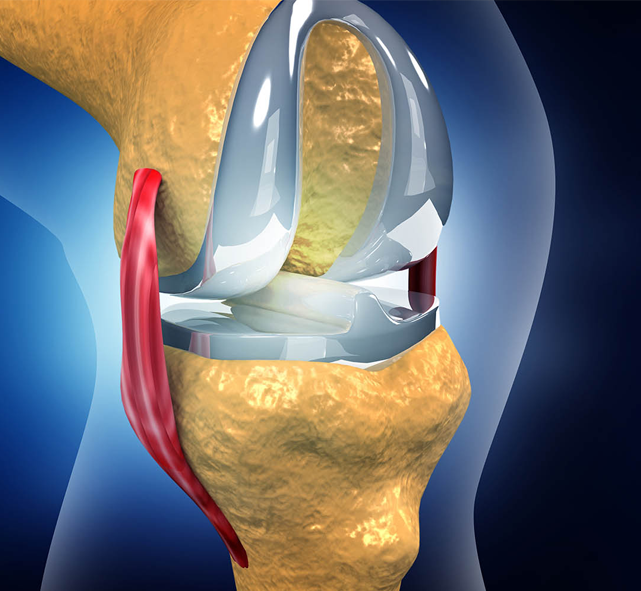
- Implant Placement: A metal and plastic prosthetic implant is placed to replace the damaged area, ensuring a precise fit.
- Closure: The incision is closed, and the knee is bandaged.
The procedure generally takes 1-2 hours, and many patients can walk with assistance the same day or the next.
Recovery and Rehabilitation
- Hospital Stay: Most patients are discharged within 1-2 days.
- Physical Therapy: Essential to strengthen muscles, restore range of motion, and improve knee stability.
- Return to Activities: Many patients resume light activities within 3-4 weeks and more rigorous activities within a few months.
- Follow-Up Care: Regular check-ups ensure proper healing and implant function.
Why Choose Our Practice for Partial Knee Replacement?
As a fellowship-trained orthopedic surgeon with extensive experience in knee joint preservation and replacement, we are committed to providing:
- Advanced Techniques: Utilizing state-of-the-art surgical approaches and implants for optimal outcomes.
- Personalized Care: Tailored treatment plans based on your unique anatomy and lifestyle.
- Comprehensive Support: From diagnosis and surgery to rehabilitation, our team ensures seamless care at every step.
If knee pain is limiting your quality of life, a partial knee replacement could be the solution you need. Schedule a consultation today to explore your options and regain the freedom to move without pain.