


Shoulder & Elbow
Anatomy
Conditions / Disorders
Procedures
Golfer’s Elbow
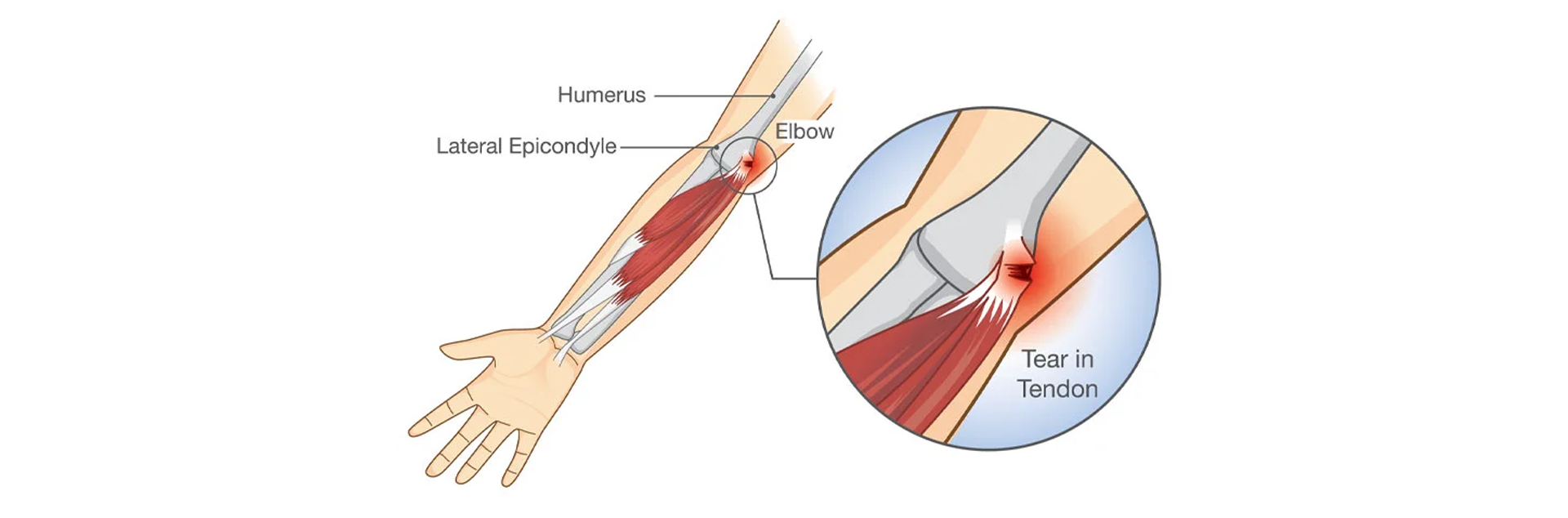
What is Golfer’s Elbow?
Golfer’s elbow, or medial epicondylitis, is a condition characterized by pain and inflammation of the tendons that attach to the bony prominence on the inside of the elbow (medial epicondyle). Repeated strain or overuse of the forearm muscles leads to microtears in the tendons, causing discomfort and weakness.
Although commonly associated with golfing, it can occur in anyone performing repetitive wrist and finger movements, making it a frequent condition among athletes, manual laborers, and office workers.
Signs and Symptoms
Symptoms of golfer’s elbow may include:
- Achy pain on the inside of the elbow, worsening during activity.
- Pain that radiates to the inner forearm, wrist, or hand.
- Stiffness in the elbow with a decreased range of motion.
- Weakened grip strength, particularly when lifting or gripping objects.
- Pain exacerbated by wrist flexion (bending the wrist toward the forearm).
Causes of Golfer’s Elbow
Golfer’s elbow typically results from overuse of the forearm muscles and tendons but may also occur due to direct trauma, such as falls or work-related injuries.
Common activities leading to golfer’s elbow include:
- Golf, especially with improper technique or unsuitable equipment.
- Repetitive tasks such as typing, hammering, painting, gardening, and shoveling.
- Sports like baseball pitching, fencing, and racket sports.
Diagnosis
Diagnosing golfer’s elbow involves:
- A thorough medical history and physical examination of the elbow joint.
- Imaging tests such as X-rays to rule out fractures or arthritis.
- Advanced tests like MRI or ultrasonography may be required for a detailed assessment.
Treatment Options
Conservative Treatments
Most cases of golfer’s elbow can be managed without surgery. Common non-surgical treatments include:
- Activity Modification: Resting the arm and avoiding activities that worsen symptoms.
- Orthotics: Using braces or splints to reduce stress on the tendons.
- Ice Therapy: Applying ice packs to reduce swelling and pain, 20 minutes at a time, several times a day.
- Medications: Anti-inflammatory drugs or steroid injections to manage pain and inflammation.
- Physiotherapy: Stretching and strengthening exercises to restore function.
- Pulsed Ultrasound Therapy: Enhancing blood flow and promoting tendon healing.
- Professional Guidance: Working with sports professionals to improve techniques and prevent recurrence.
Surgical Treatment
Surgery is recommended if symptoms persist for 6–12 months despite conservative treatment. The procedure involves:
- Removing diseased tissue and repairing the tendon.
- Enhancing blood supply to the area to promote healing.
- Relieving pain and restoring function to the elbow.
Post-Surgical Recovery
After surgery, rehabilitation focuses on improving elbow strength, flexibility, and range of motion through physical therapy. Most patients can return to normal activities following a structured recovery program.
Expert Care for Golfer’s Elbow
Our team provides comprehensive diagnosis and treatment for golfer’s elbow, tailoring care plans to your unique needs. Whether through conservative therapies or advanced surgical solutions, we aim to help you achieve pain relief, restore functionality, and prevent recurrence.
Contact us today to schedule a consultation and get back to your active lifestyle