




Shoulder & Elbow
Anatomy
Conditions / Disorders
Procedures
Shoulder Instability
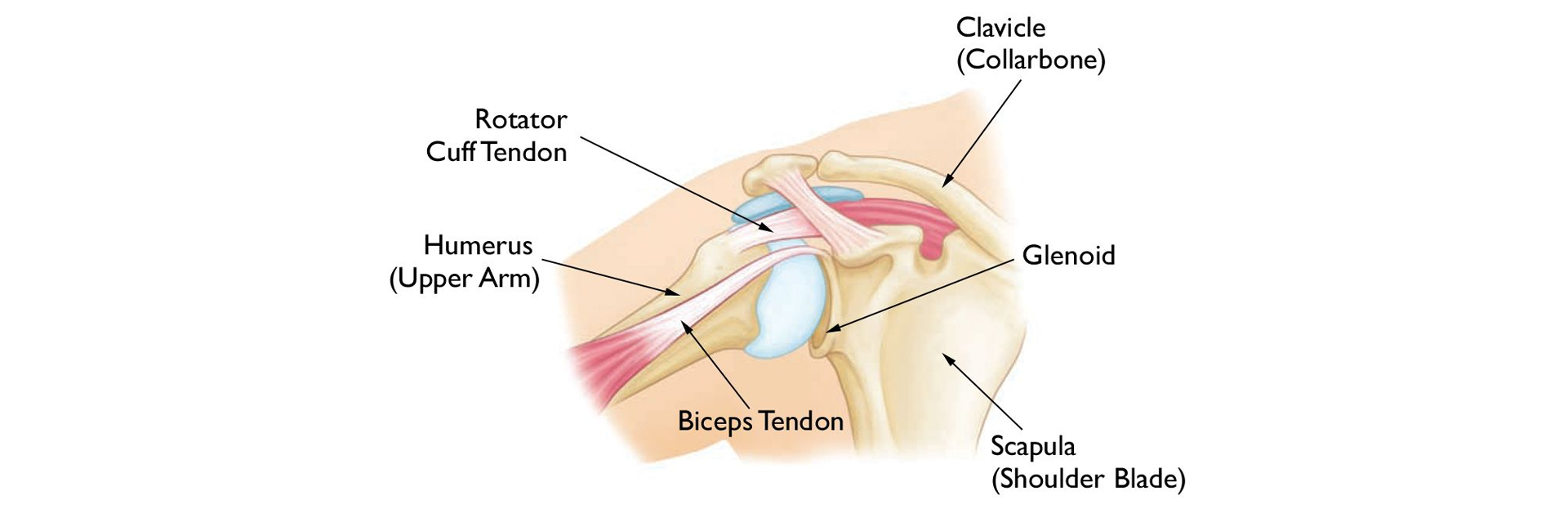
Shoulder instability is a condition in which the shoulder joint becomes prone to frequent dislocations, leading to a loss of stability and mobility. The shoulder joint, being a ball-and-socket joint, has a wide range of motion but can be susceptible to instability due to injury, trauma, or excessive strain. This condition can cause the humeral head (ball portion) to partially or completely dislocate from the glenoid (socket portion), resulting in painful episodes and limited movement.
Causes of Shoulder Instability
Shoulder instability occurs when the shoulder joint’s ball and socket are no longer securely aligned, often due to:
- Trauma or Injury: A sudden fall or impact can displace the ball from the socket.
- Repetitive Overhead Movements: Sports such as baseball, swimming, and volleyball increase the risk due to frequent overhead motions.
- Loose Ligaments or Enlarged Capsule: Some individuals have naturally looser ligaments or an overly large joint capsule, which predisposes them to instability.
Risk Factors for Shoulder Instability
Certain factors can increase the likelihood of developing shoulder instability, including:
- History of prior shoulder dislocations or subluxations
- High-risk activities involving overhead movements
- Injury or trauma to the shoulder joint
- Congenital or developmental factors leading to looser shoulder ligaments
Symptoms of Shoulder Instability
Patients with shoulder instability may experience a variety of symptoms, including:
- Pain during certain shoulder movements or when performing overhead activities
- A popping, grinding, or clicking sensation when moving the arm
- Swelling and bruising, especially after an episode of dislocation or subluxation
- Visible deformity of the shoulder joint following a dislocation
- Loss of shoulder function and reduced range of motion
- Sensory changes such as numbness or partial paralysis below the dislocation site due to pressure on nerves and blood vessels
Diagnosis of Shoulder Instability
Dr. Noman Niazi will perform a comprehensive physical examination and may recommend imaging studies such as X-rays, MRI, or CT scans to assess the extent of the instability and any damage to the soft tissues or bones. This helps in planning the most effective treatment strategy.
Treatment Options for Shoulder Instability
Conservative Treatments:
The goal of non-surgical treatment for shoulder instability is to restore joint stability, strength, and mobility. These methods may include:
- Closed Reduction: If a dislocation has occurred, the surgeon may manipulate the shoulder joint under anesthesia to realign the bones.
- Medications: Over-the-counter pain relievers and NSAIDs can be used to reduce pain and swelling, while steroid injections may be considered for more persistent symptoms.
- Rest: It is crucial to avoid activities that could aggravate the shoulder. Wearing a sling for a couple of weeks may help immobilize the shoulder during recovery.
- Ice Therapy: Applying ice packs to the injured area for 20 minutes every hour can help reduce inflammation and promote healing.
- Physical Therapy: Strengthening exercises may be prescribed to improve the shoulder’s stability and reduce the risk of future dislocations.
Surgical Treatment:
If conservative treatments do not alleviate the symptoms, surgical intervention may be necessary. The primary goal of surgery is to stabilize the shoulder joint and prevent further dislocations. Dr. Noman Niazi may recommend:
- Arthroscopic Surgery: This minimally invasive procedure involves small incisions and the use of a small camera (arthroscope) to evaluate and treat the shoulder joint. Arthroscopy allows for the repair of soft tissue damage with minimal disruption to surrounding tissues.
- Shoulder Stabilization Surgery: In cases of severe instability, surgery may be performed to tighten the ligaments or reattach them to improve the joint’s stability and prevent recurrent dislocations.
End Note
Our experts are specialized in treating shoulder instability using both non-invasive methods and advanced surgical techniques. Our goal is to restore optimal function to the shoulder, alleviate pain, and prevent further dislocations. If you are experiencing shoulder instability or discomfort, schedule a consultation today to explore your treatment options and begin your journey to recovery.