


Shoulder & Elbow
Anatomy
Conditions / Disorders
Procedures
Arthroscopic Bankart Repair
What is Arthroscopic Bankart Repair?
Shoulder Anatomy
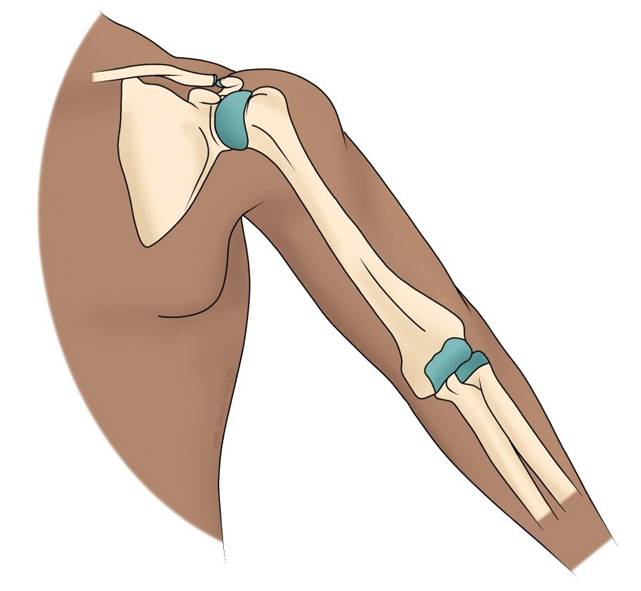
The shoulder joint (glenohumeral joint) is a ball-and-socket joint where the head of the upper arm bone (humerus) fits into the shallow socket of the shoulder blade (glenoid). To provide stability and allow a wide range of motion, the labrum, a cuff of cartilage surrounding the shoulder socket, plays a vital role in keeping the bones aligned. However, due to the shallow nature of the socket, the shoulder is more susceptible to dislocations.
What is a Bankart Tear?
A Bankart tear occurs when the labrum in the shoulder is damaged during a shoulder dislocation, specifically affecting the inferior glenohumeral ligament. This type of tear is particularly common in young individuals (under 30) who experience repeated shoulder dislocations. A Bankart tear weakens the shoulder joint and makes it prone to further dislocations.
Diagnosis of a Bankart Tear
To diagnose a Bankart tear, your orthopaedic surgeon will conduct a detailed physical examination and inquire about your medical history. Diagnostic imaging such as X-rays or MRI scans may be recommended to confirm the tear and evaluate the extent of the damage.
Treatment for a Bankart Tear
For some patients, conservative treatments like rest, immobilization with a sling, and physical therapy may be effective. However, when conservative measures fail and recurrent dislocations continue, surgery may be required to repair the labrum.
Arthroscopic Bankart Repair Procedure
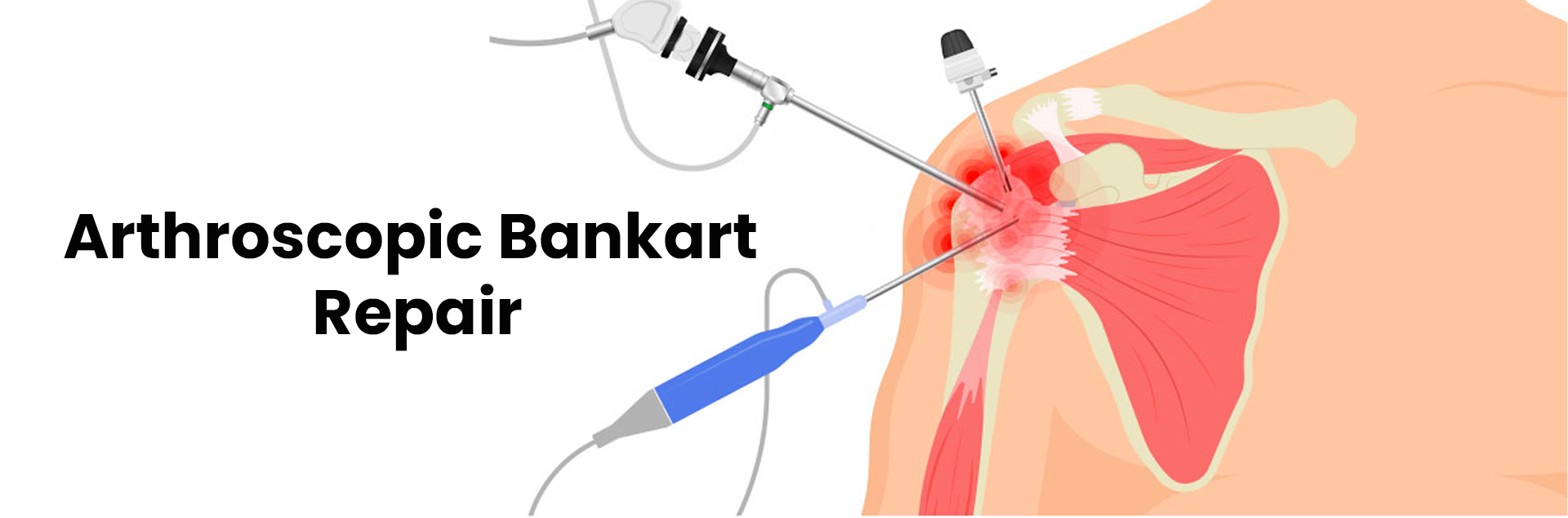
Arthroscopic Bankart repair is a minimally invasive surgical procedure designed to reattach the labrum to the shoulder socket. During the surgery:
- A small incision is made, and an arthroscope (a tube with a camera and light) is inserted into the shoulder joint.
- The arthroscope transmits live images of the joint to a monitor, allowing the surgeon to visualize the tear and surrounding tissue.
- Using small surgical instruments, the surgeon trims the edges of the glenoid cavity and inserts suture anchors to reattach the labrum to the bone.
- The incisions are then closed, and a bandage is applied.
This technique causes minimal disruption to the shoulder structures, offering a quicker recovery compared to traditional open surgery.
Post-operative Care for Arthroscopic Bankart Repair
After your procedure, you will spend a short time in the recovery room, after which a physical therapist will guide you through initial shoulder exercises the following day. Key aspects of post-operative care include:
- Sling Use: The shoulder will be immobilized in a sling for about three weeks to promote healing and reduce strain on the joint.
- Physical Therapy: Early rehabilitation exercises will focus on restoring motion and strength.
- Gradual Activity: Light activities such as jogging and swimming can typically resume around 8 to 10 weeks post-surgery, though contact sports and heavy lifting should be avoided until full recovery is achieved.
Risks and Complications of Arthroscopic Bankart Repair
While arthroscopic Bankart repair is a relatively safe and effective procedure, there are some risks to be aware of, including:
- Infection at the incision sites
- Injury to surrounding nerves or blood vessels
- Joint stiffness or reduced range of motion
- Postoperative pain
End Note
We provide professional and comprehensive care for patients with shoulder instability, using advanced arthroscopic techniques for faster recovery and better long-term outcomes. If you’re experiencing recurrent shoulder dislocations or suspect a Bankart tear, contact us for an assessment and personalized treatment plan to restore your shoulder function and stability.