


Shoulder & Elbow
Anatomy
Conditions / Disorders
Procedures
Reverse Shoulder Replacement
What is Reverse Shoulder Replacement?
Reverse shoulder replacement is an advanced surgical technique designed for patients suffering from rotator cuff tear arthropathy. This condition occurs when a rotator cuff tear leads to progressive damage to the shoulder joint, resulting in arthritis and loss of function. In a reverse shoulder replacement, the normal structure of the shoulder joint is reversed to restore function and alleviate pain, especially when other treatments have failed.
Shoulder Anatomy
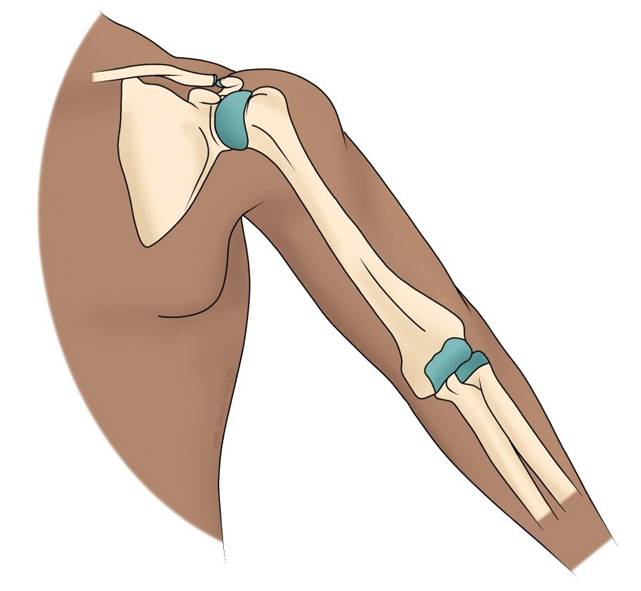
The shoulder is a ball-and-socket joint, where the head of the humerus (upper arm bone) fits into the glenoid (the shallow socket of the shoulder blade). The rotator cuff, made up of four tendons, connects the humeral head to the shoulder muscles, providing stability and enabling a full range of motion.
Rotator Cuff Arthropathy
Rotator cuff arthropathy occurs when a torn rotator cuff leads to damage to the shoulder joint and causes arthritis. The torn tendons in the rotator cuff no longer support the shoulder, resulting in poor joint function and pain. Traditional shoulder replacement techniques are often ineffective in these cases, as the damaged rotator cuff cannot adequately stabilize the joint.
Symptoms of Rotator Cuff Arthropathy
Common symptoms of rotator cuff arthropathy include:
- Pain, particularly at night
- Weakness in the shoulder
- Limited ability to raise the arm above shoulder height, affecting overhead activities
- Previous history of rotator cuff repair or multiple failed repairs
Differences Between Conventional and Reverse Shoulder Replacement
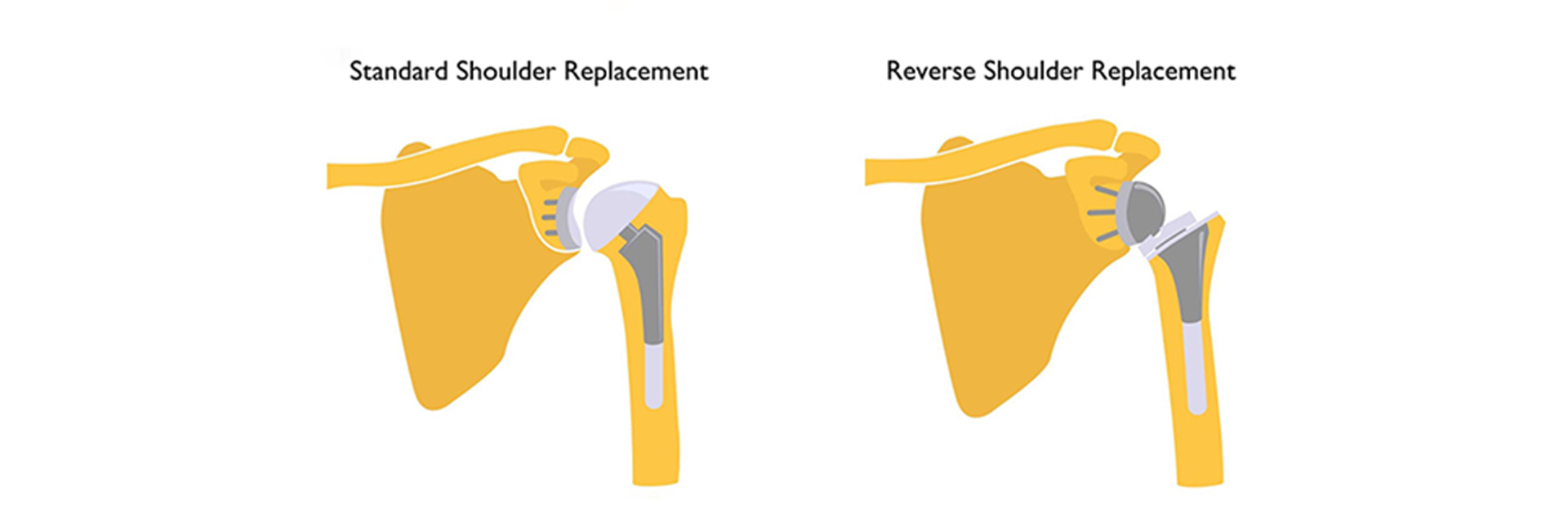
In conventional shoulder replacement surgery, the ball of the humerus is replaced with a metal ball, and the socket (glenoid) is replaced with a plastic socket. However, this approach is not effective for patients with rotator cuff arthropathy, as the torn rotator cuff may cause loosening of the implants.
Reverse shoulder replacement reverses the placement of the prosthetic components:
- The metal ball is placed in the glenoid socket of the shoulder blade (scapula).
- The plastic socket is placed on the humerus.
This design allows the deltoid muscle to compensate for the torn rotator cuff, improving stability and function of the shoulder.
Ideal Candidates for Reverse Shoulder Replacement
Reverse shoulder replacement is ideal for individuals who meet the following criteria:
- Completely torn rotator cuff that is difficult or impossible to repair
- Cuff tear arthropathy (shoulder arthritis caused by rotator cuff tears)
- Failed previous shoulder replacements
- Severe pain and difficulty with overhead movements
- Continued pain despite other treatments such as medications, injections, and physical therapy
Reverse Shoulder Replacement Procedure
The procedure is performed under general anesthesia. The steps of the surgery include:
- Incision: An incision is made over the shoulder to expose the joint.
- Separation of bones: The humeral head is separated from the glenoid socket.
- Removal of damaged parts: The damaged humeral head and glenoid are removed and prepared for the prosthetic components.
- Implantation of prosthetics: A metal ball is inserted into the glenoid socket, and a plastic cup is cemented into the humerus.
- Closure: The joint capsule is stitched, and the surgical site is closed with sutures.
Post-operative Care for Reverse Shoulder Replacement
After surgery, patients are typically able to get out of bed the same day and may stay in the hospital for 1-2 days. General post-operative instructions include:
- Taking prescribed medications for pain and to prevent infection
- Engaging in gentle range-of-motion exercises to improve shoulder mobility
- Participating in physical therapy to strengthen the shoulder and restore flexibility
- Avoiding overhead activities for at least 6 weeks
- Not using the shoulder muscles to push up out of a chair or bed
- Refraining from lifting heavy objects
Risks and Complications of Reverse Shoulder Replacement
As with any major surgery, there are potential risks and complications, including:
- Infection
- Dislocation or instability of the implanted joint
- Fracture of the humerus or scapula
- Damage to nerves or blood vessels
- Blood clots (deep vein thrombosis)
- Wound irritation
- Arm length discrepancies
- Wear and tear of the prosthetic components
For individuals suffering from severe shoulder pain and dysfunction due to rotator cuff tear arthropathy or other shoulder conditions, reverse shoulder replacement can provide significant relief and improve quality of life. This advanced surgical procedure, performed by experienced orthopedic surgeons, is designed to restore mobility and function, even when traditional methods have failed.
If you or a loved one are considering reverse shoulder replacement, it is crucial to consult with a skilled orthopedic specialist who can assess your condition and provide personalized treatment recommendations. With proper surgical care and a tailored rehabilitation plan, most patients experience a successful recovery and return to daily activities.
To learn more about reverse shoulder replacement and whether it is the right solution for you, please reach out to our team of dedicated professionals for a consultation.