



Shoulder & Elbow
Anatomy
Conditions / Disorders
Procedures
Shoulder Arthroscopy

What is Shoulder Arthroscopy?
Shoulder arthroscopy is a minimally invasive procedure used for both diagnosing and treating joint problems in the shoulder. It involves the use of a specialized, pencil-sized instrument called an arthroscope. The arthroscope is equipped with a light system and a camera that projects images to a computer screen, allowing the surgeon to view the surgical site with high precision. This technique enables the surgeon to address issues within the bones, cartilage, tendons, ligaments, and muscles of the shoulder joint, offering a less invasive alternative to traditional open surgery.
Shoulder Anatomy
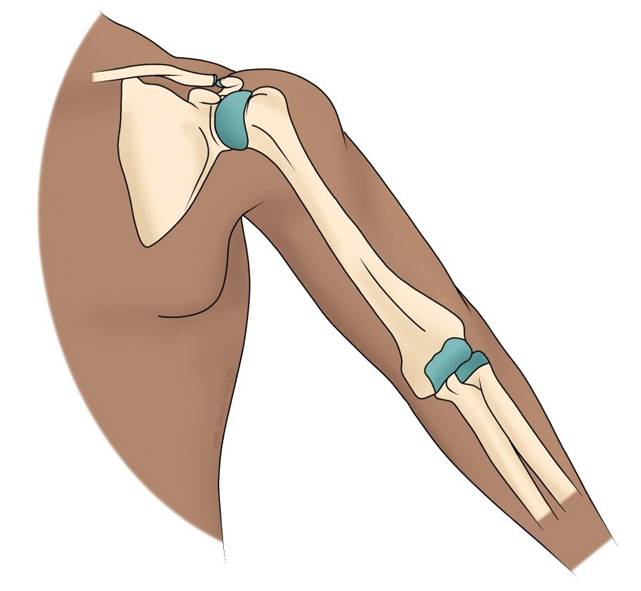
The shoulder joint is a ball-and-socket structure where the head of the upper arm bone (humerus) fits into the shallow socket of the shoulder blade (scapula), known as the glenoid. The surfaces of these bones are covered with cartilage, allowing smooth movement without friction. Surrounding the joint are tendons and ligaments that provide strength, flexibility, and stability.
Disease Overview
Injuries or diseases affecting the bones or soft tissues of the shoulder can lead to instability, pain, inflammation, and restricted movement. Shoulder problems such as rotator cuff tears, arthritis, or impingement can severely impact the quality of life, and may require surgical intervention when conservative treatments, such as medications or physical therapy, do not provide relief.
Indications for Shoulder Arthroscopy
Shoulder arthroscopy is used to treat a variety of shoulder conditions, particularly when other treatments have failed. These include:
- Shoulder Impingement: Occurs when the shoulder blade presses on the underlying soft tissues as the arm is lifted, causing pain.
- Rotator Cuff Tear: A tear in the tendons of the rotator cuff muscles that help move and stabilize the shoulder.
- Frozen Shoulder (Adhesive Capsulitis): Stiffness and limited movement in the shoulder joint.
- Shoulder Instability: When the head of the upper arm bone slips out of the shoulder socket, often due to injury or overuse.
- Biceps Rupture: Tearing of the tendon that connects the bicep muscle to the shoulder or elbow.
- Damaged Cartilage or Ligaments: When the cartilage or ligaments within the shoulder joint are injured.
- Bone Spurs: Bony projections that can develop around the shoulder joint.
- Arthritis of the Collarbone: Inflammation of the joint where the collarbone meets the shoulder blade.
Shoulder Arthroscopy Procedure
The shoulder arthroscopy procedure is performed under general or regional anesthesia. Depending on the condition, patients may be positioned lying on their side or seated semi-upright.
- Step 1: A sterile fluid is injected into the shoulder joint to expand the area and provide better visibility for the surgeon.
- Step 2: A small incision, roughly the size of a buttonhole, is made to insert the arthroscope into the joint. The camera in the arthroscope sends live images to a large monitor, allowing the surgeon to view the inside of the joint.
- Step 3: Additional small incisions are made to insert surgical instruments through which the surgeon can repair the damage to the bones, cartilage, ligaments, or tendons.
- Step 4: Once the procedure is complete, the surgical instruments are removed, and the incisions are closed using stitches or small bandage strips.
Post-operative Care for Shoulder Arthroscopy
After surgery, the recovery process is relatively quick due to the minimally invasive nature of the procedure. The small incisions usually heal in a few days, and the initial surgical dressing is replaced by simple bandages. Recovery depends on the type of shoulder condition treated, but key aspects include:
- Pain Management: Pain medications are prescribed to manage discomfort.
- Sling Use: A sling may be recommended for the affected arm to ensure proper healing.
- Physical Therapy: Early and ongoing physical therapy is essential to regain full mobility and strength in the shoulder joint.
Advantages of Shoulder Arthroscopy
Compared to traditional open surgery, shoulder arthroscopy offers several significant advantages:
- Less Pain: The procedure is less invasive, causing less tissue damage.
- Fewer Complications: Smaller incisions result in a lower risk of complications.
- Shorter Hospital Stay: Many patients are able to return home the same day or within a short period after the surgery.
- Faster Recovery: With minimal disruption to healthy tissues, recovery time is typically quicker than that of open surgeries.
Risks and Complications of Shoulder Arthroscopy
While shoulder arthroscopy is generally safe, there are some risks associated with the procedure. These include:
- Infection: Infection at the incision sites can occur, though this is rare.
- Bleeding: Minor bleeding during or after the procedure may happen.
- Nerve or Blood Vessel Injury: There is a small risk of damage to nearby nerves or blood vessels.
- Delayed Healing: Some patients may experience longer healing times.
- Stiffness: In some cases, stiffness may develop post-surgery, particularly if physical therapy guidelines are not followed closely.
For personalized treatment and expert care, schedule a consultation with Dr. Noman Niazi, a highly skilled orthopaedic surgeon specializing in shoulder arthroscopy. We will assess your condition, provide an accurate diagnosis, and develop a customized treatment plan to help restore your shoulder’s function and alleviate pain.