


Arthritis of the Thumb
At Care Orthopaedic & Sports Medicine Center (COSM), we specialize in the diagnosis and treatment of arthritis at the base of the thumb — a common cause of pain and difficulty with gripping or pinching. From non-surgical care to advanced thumb joint reconstruction, our experts provide personalized solutions to restore comfort and hand function.
Relieving Thumb Pain, Restoring Grip
Details..
What is Thumb Arthritis?
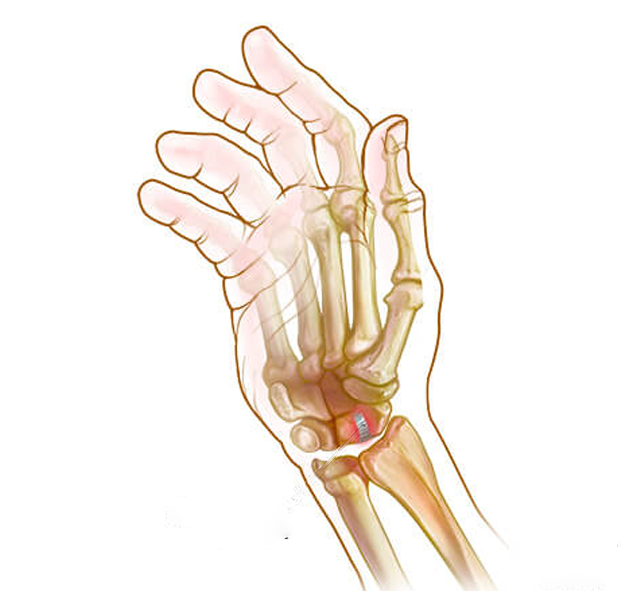
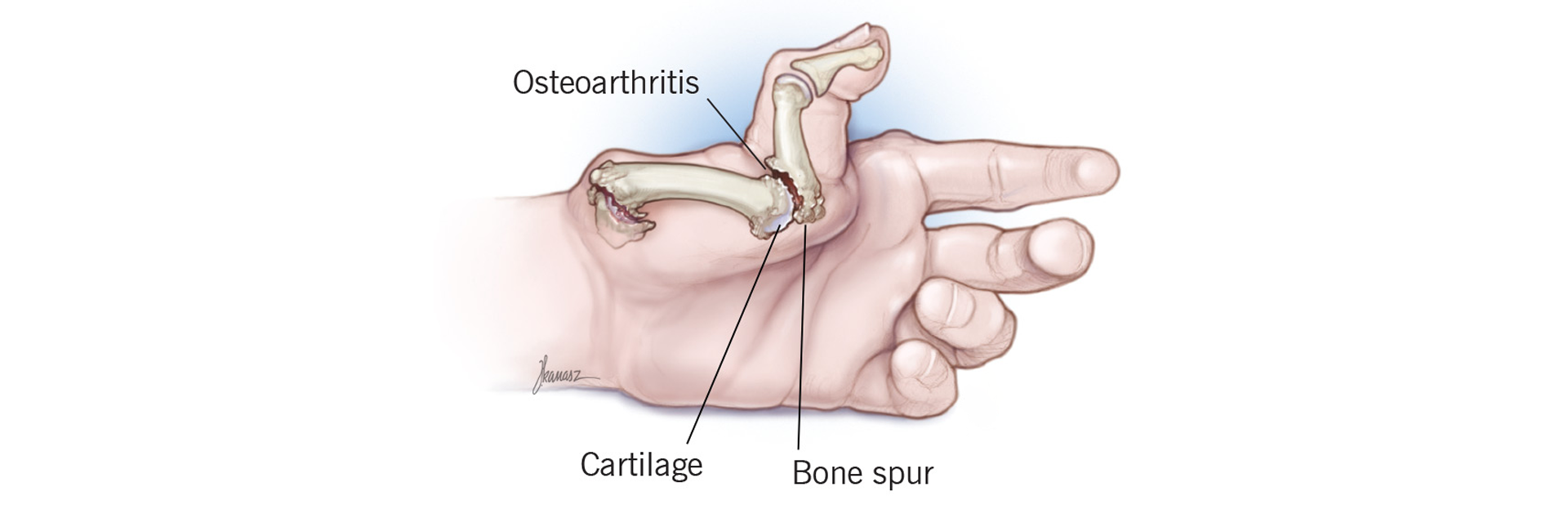
Arthritis of the thumb most commonly affects the basal joint (carpometacarpal or CMC joint), located at the base of the thumb near the wrist. This joint allows the thumb to swivel, pivot, and pinch—movements essential for gripping objects. When arthritis develops here, even simple daily activities can become painful.
The most frequent type is osteoarthritis (wear-and-tear arthritis), in which the protective cartilage covering the joint wears away. Without cartilage, bones rub against each other, causing pain, swelling, stiffness, and deformity.
Thumb arthritis is more common in women, typically occurs after age 40, and may be linked to prior thumb injuries.
Symptoms
- Pain at the base of the thumb, especially during gripping or pinching (e.g., turning a key, opening jars, snapping fingers).
- Swelling and tenderness around the joint.
- Loss of strength in grip or pinch.
- An enlarged or “out-of-joint” appearance at the thumb base.
- Limited thumb motion.
- A bony bump over the basal joint.
- Aching discomfort after prolonged hand use.
Diagnosis
Your doctor will:
- Take a history of symptoms and prior injuries.
- Examine the thumb joint for tenderness, swelling, and instability.
- Perform the CMC grind test: applying pressure and rotating the thumb; pain or grinding (crepitus) suggests arthritis.
- Order X-rays to check joint space narrowing, cartilage loss, or bone spurs.
- Screen for related conditions such as carpal tunnel syndrome, which often coexists.
Treatment Options
Non-Surgical Treatments:
- Ice application for 5–15 minutes several times daily.
- Anti-inflammatory medications (e.g., ibuprofen, naproxen) to reduce pain and swelling.
- Splints to rest the thumb and wrist, worn during activity or at night.
- Steroid injections into the joint for longer-lasting relief.
Surgical Treatments (for severe or persistent symptoms):
- Joint fusion (arthrodesis): Fuses the bones to reduce pain and improve stability, but limits motion.
- Trapeziectomy: It involves removing the trapezium, a small bone at the base of the thumb, to relieve pain and stiffness caused by arthritis in the thumb carpometacarpal (CMC) joint.
Rehabilitation & Recovery
- After surgery, a cast or splint is typically worn for 4–8 weeks, depending on the procedure.
- A structured rehabilitation program with a therapist helps restore thumb motion and hand strength.
- Full recovery usually takes several months, but most patients can return to normal activities with significantly less pain.
Outcomes
Thumb CMC arthritis is a treatable condition. Many patients find long-lasting relief through conservative measures, while surgery offers excellent outcomes when non-surgical options fail. With proper treatment, patients can regain function and return to pain-free daily activities.
For appointments, visit careortho.pk or contact us directly to schedule a consultation.