



Wrist Fracture Surgery

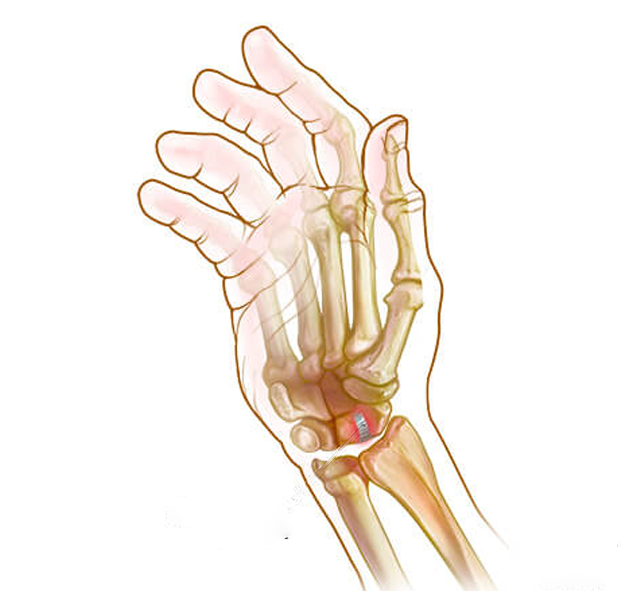
A wrist fracture is one of the most common orthopedic injuries, usually caused by a fall on an outstretched hand. When the bone is displaced or unstable, surgery becomes essential to restore proper alignment, joint stability, and wrist function.
At COSM (Care Orthopaedic & Sports Medicine Center), our fellowship-trained orthopedic surgeons use the latest surgical techniques to ensure precise bone healing and early return to daily activities.
Types of Wrist Fractures
- Distal Radius Fracture (Colles or Smith fracture): The most frequent type, occurring near the wrist joint.
- Scaphoid Fracture: Involves one of the small carpal bones, often missed without proper imaging.
- Complex/Comminuted Fracture: Multiple bone fragments requiring specialized fixation techniques.
When is Surgery Needed?
Surgery is typically recommended when:
- The fracture is displaced or unstable.
- There are multiple bone fragments.
- Closed reduction (casting) cannot maintain alignment.
- The joint surface or ligaments are involved.
Timely surgical intervention prevents long-term stiffness, deformity, and weakness.
Surgical Techniques
Depending on the fracture type, our surgeons may perform:
- Open Reduction and Internal Fixation (ORIF): Using plates and screws to accurately realign the bone.
- External Fixation: A stabilizing frame outside the wrist for severe or open fractures.
- Percutaneous Pinning: A minimally invasive option using metal pins to secure the fracture.
Each surgery is carefully planned with digital imaging and performed under strict aseptic conditions.
Recovery and Rehabilitation
- Immobilization: A cast or splint protects the wrist in the initial phase.
- Physiotherapy: Early guided exercises restore movement and strength.
- Healing Time: Most wrist fractures heal within 6–12 weeks, depending on the injury and patient’s bone health.
Our physiotherapy team works closely with your surgeon to ensure a smooth recovery and optimal hand function.
Why Choose COSM?
- Fellowship-trained orthopedic and sports medicine surgeons.
- Advanced operation theater and digital imaging setup.
- Personalized rehabilitation and follow-up programs.
- Compassionate, patient-centered care following international standards.