



Knee
Anatomy
Conditions / Disorders
Procedures
Anterior Knee Pain
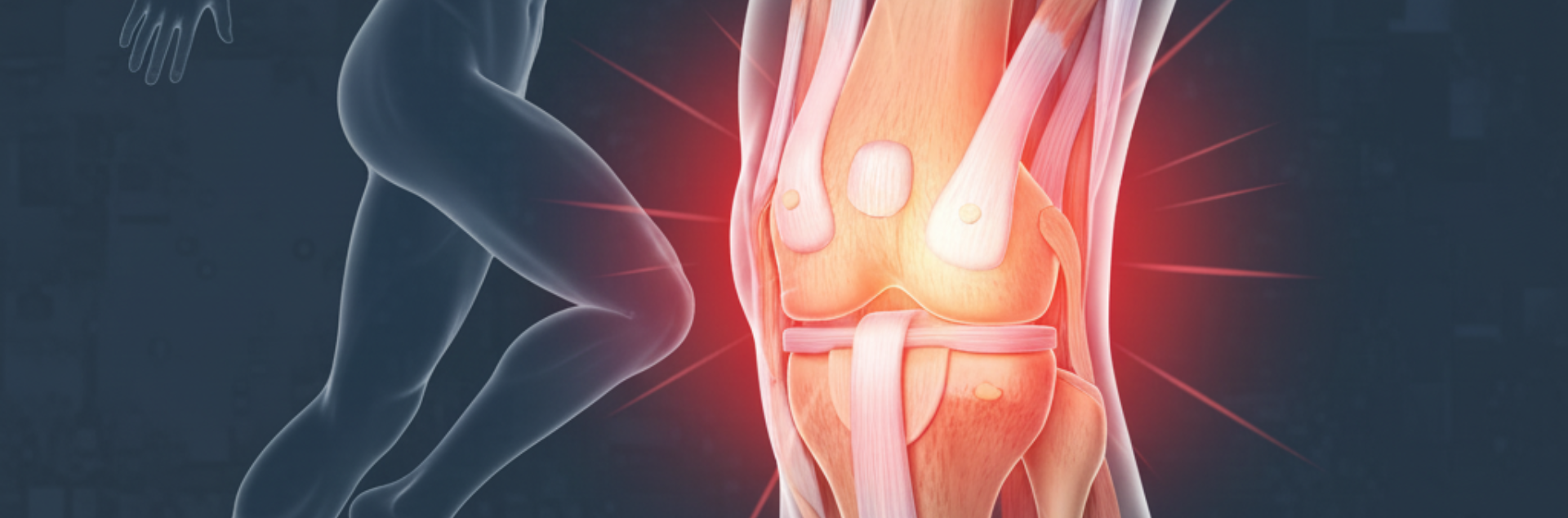
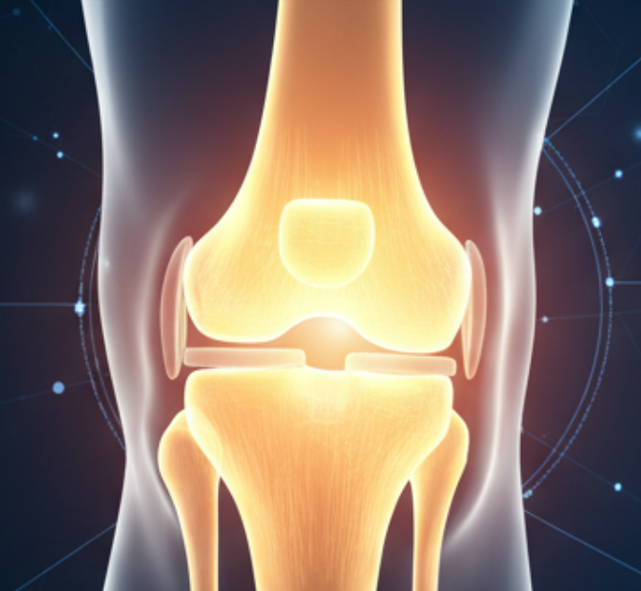
Anterior knee pain refers to discomfort localized at the front of the knee, often exacerbated by specific activities such as prolonged sitting, squatting, or navigating stairs. This condition is common and may arise from a variety of underlying causes, many of which are biomechanical or inflammatory in nature. It often presents as a poorly localized pain, described with a sweeping motion of the hand rather than pinpointed with a finger.
Key Characteristics of Anterior Knee Pain
Anterior knee pain typically manifests with the following symptoms:
- Pain During Activity:Discomfort is often triggered by weight-bearing activities such as squatting, running, or climbing stairs.
- Prolonged Sitting:Sitting for extended periods may lead to stiffness or pain, relieved by straightening the knee—commonly referred to as the “theatre sign.”
- Pain Upon Rising:Pain may intensify when transitioning from sitting to standing, easing as movement continues.
- Snapping or Popping Sensations:Activities like walking may produce snapping, popping, or crunching noises in the knee, sometimes accompanied by pain or a sensation of locking.
- Instability:Symptoms may include knee weakness, giving way, or catching during movement.
Common Triggers
- Prolonged Sitting:Leads to stiffness or aching relieved by knee extension.
- Navigating Stairs:Pain occurs during weight-bearing while ascending or descending stairs.
- Knee Motion:Snapping or popping sounds during basic activities can worsen symptoms.
Causes and Diagnosis
Anterior knee pain is a diagnosis of exclusion, determined after ruling out specific identifiable causes. It is particularly prevalent in adolescents and may be associated with:
- Patellar Malalignment or Maltracking:Misalignment of the kneecap within its groove.
- Fat Pad Irritation:Inflammation or irritation of the fat pad beneath the patella.
- Rotational Deformities:Abnormal rotation of the tibia or femur contributing to biomechanical issues.
- Symptomatic Plica:Irritation or inflammation of a fold of knee joint lining.
Diagnostic Workup
A thorough evaluation is essential to identify underlying causes, including:
- Clinical Examination:Assessing fat pad tenderness, patellar tilt, and alignment.
- Imaging Studies:X-rays, MRI, or CT scans to visualize structural abnormalities.
- Biomechanical Analysis:Examination of tibial or femoral rotational deformities and foot positioning.
Management Strategies
Treatment of anterior knee pain is tailored to the underlying cause and severity of symptoms. Options include:
- Conservative Measures:
- Physical therapy to strengthen muscles and improve alignment.
- Orthotic devices to correct foot rotation or improve biomechanics.
- Activity modification to reduce strain on the knee joint.
- Medications:
- Anti-inflammatory medications to manage pain and reduce swelling.
- Surgical Intervention:
- For persistent or severe cases, surgical options such as realignment or plica excision may be considered.
Improving Quality of Life
Early diagnosis and management are crucial to restoring function and reducing discomfort associated with anterior knee pain. If you are experiencing persistent knee pain, consult with an orthopedic specialist to explore personalized treatment options and regain mobility.