



Knee
Anatomy
Conditions / Disorders
Procedures
Cartilage Damage

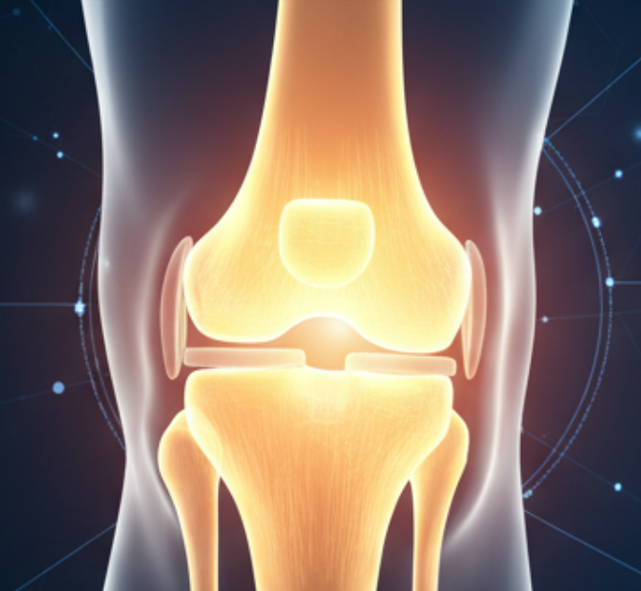
Cartilage injuries, particularly in the knee, are a common yet complex concern for patients. These injuries can occur independently or in conjunction with other knee issues, such as ligament damage. Without the protective support of the meniscus—either due to previous damage or surgical removal—the cartilage becomes overburdened, leading to accelerated wear and loss. Left untreated, this condition often progresses to arthritis, a painful and debilitating state.
At Care Orthopaedic and Sports Medicine Center, we focus on early diagnosis, preventing further deterioration, and employing advanced treatment strategies to stimulate healing and restore joint functionality.
Signs and Symptoms of Cartilage Injury
Acute Damage:
- Symptoms like clicking, catching, locking, or instability (giving way) often indicate acute cartilage injury.
- Flap-like cartilage tears can disrupt the joint’s smooth motion.
- Severe injuries may expose underlying bone, causing significant pain alongside mechanical symptoms.
Chronic Damage:
- Gradual cartilage thinning and bone exposure result in persistent discomfort and functional limitations.
- Prolonged wear leads to arthritis, characterized by chronic pain and reduced mobility.
Comprehensive Diagnosis
A detailed clinical examination, coupled with advanced imaging techniques such as X-rays and MRI scans, helps identify the extent of cartilage damage and associated injuries. This thorough assessment allows us to create a tailored treatment plan while guiding patients through informed discussions about their options.
Advanced Treatment Options
Non-Operative Measures:
- Small cartilage tears without severe mechanical symptoms may respond well to physiotherapy and strengthening exercises. Improved muscle control and stability can alleviate symptoms and enhance joint function.
Operative Interventions:
- For significant pain or mechanical disruptions, minimally invasive arthroscopic proceduresare employed to stabilize or repair damaged cartilage.
- Innovative techniques like Chondroplasty, bone marrow stimulation, and scaffold-based regenerative treatments(including stem cell therapy) aim to restore the cartilage layer, relieving pain and improving joint health.
Our Commitment
We are dedicated to delivering personalized care, combining evidence-based approaches with state-of-the-art technology to help patients recover and regain their quality of life. Whether through non-invasive therapies or advanced surgical techniques, our goal is to restore joint functionality and prevent the progression of arthritis for long-term well-being.