


Fracture Management
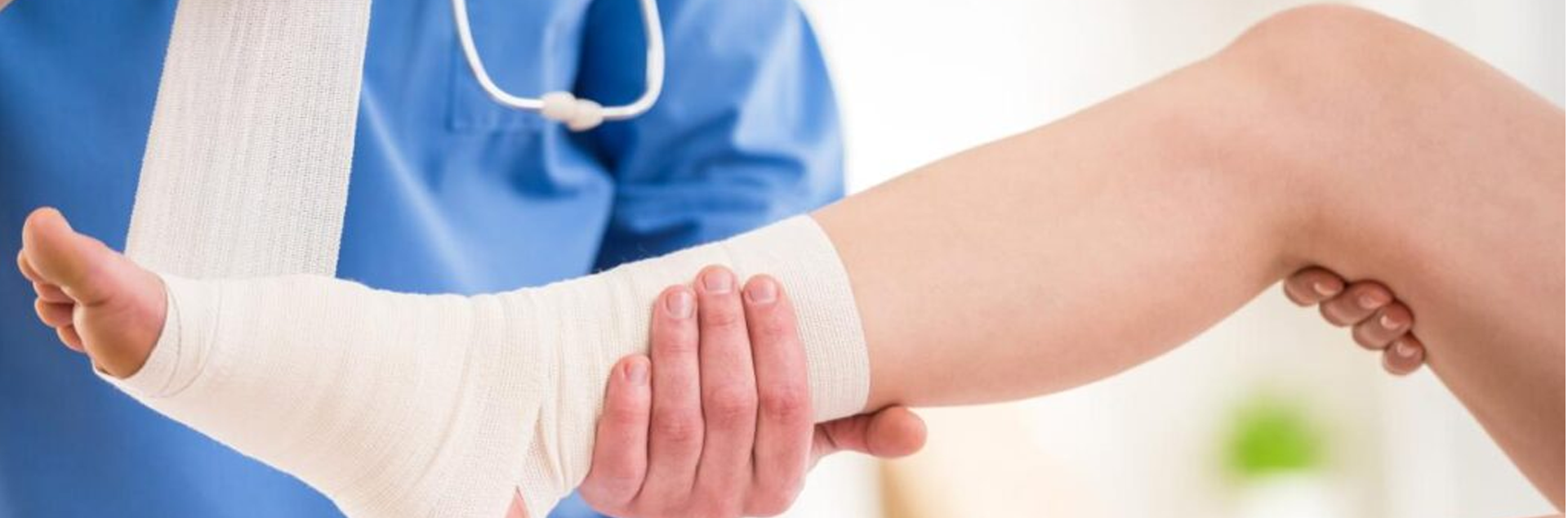
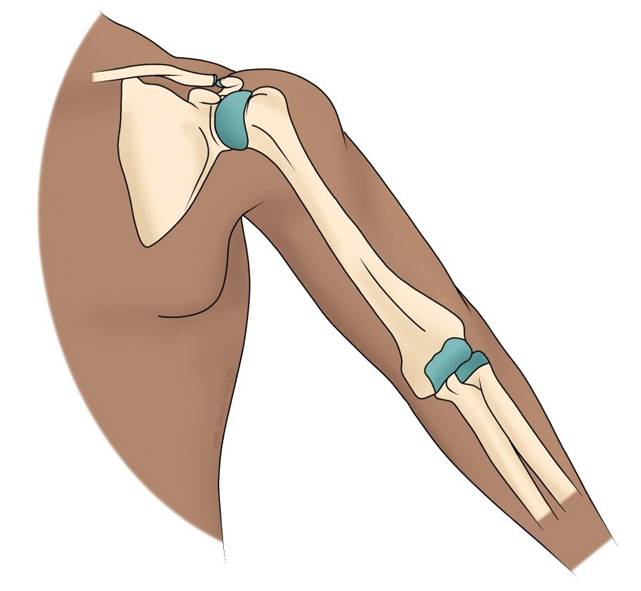
At COSM – Care Orthopaedics and Sports Medicine Center, we specialize in the management of fractures ranging from simple injuries to complex trauma involving the upper and lower extremities.
A bone fracture is a break or crack in the continuity of the bone. Most fractures occur due to trauma—such as falls, road traffic accidents, or sports injuries—but they can also result from medical conditions like osteoporosis that weaken bone strength.
Simply put, a fracture means a broken bone. It may be complete or partial, stable or unstable. Elderly individuals are more prone to fractures due to brittle bones, while athletes often experience stress fractures from overuse.
Types of Fractures
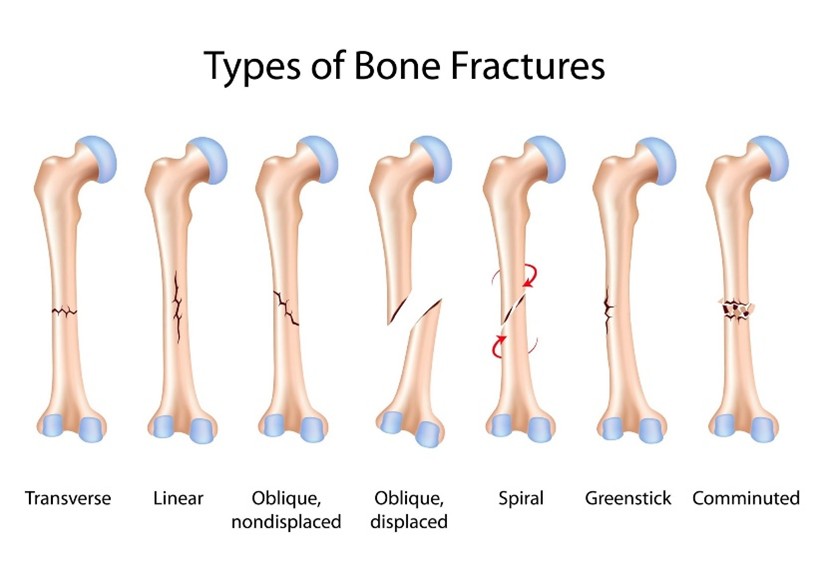
- Simple fracture – Bone pieces remain well aligned and stable.
- Unstable fracture – Broken fragments are displaced and misaligned.
- Open (compound) fracture – Bone pierces through the skin; carries high risk of infection and needs urgent treatment.
- Greenstick fracture – Seen in children; one side of the bone bends without fully breaking.
Fracture Healing
The body initiates healing by forming a blood clot and callus at the fracture site. New bone cells gradually bridge the gap, closing the fracture line until the bone regains strength.
Treatment Options:
Non-Operative Management
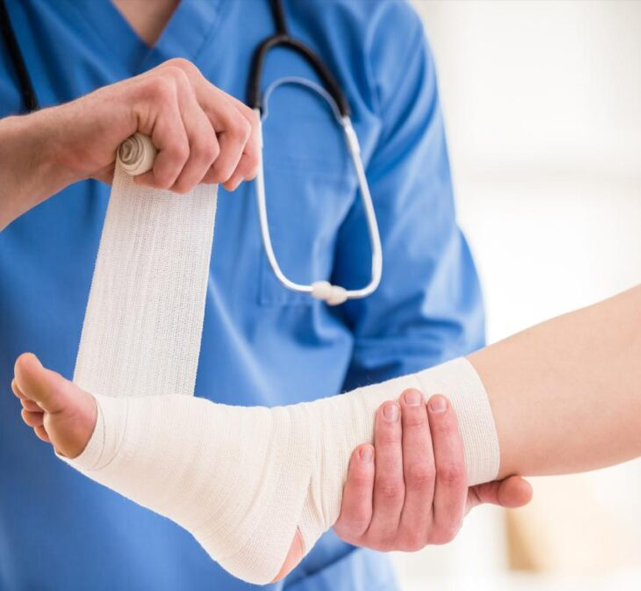
- Casting & Splinting – Effective for stable fractures or after proper realignment.
- Traction – Used when casting is unsuitable:
- Skin traction – Straps applied to the skin below the fracture.
- Skeletal traction – Pins inserted into the bone with weights to maintain alignment (commonly for thighbone fractures).
Surgical Management
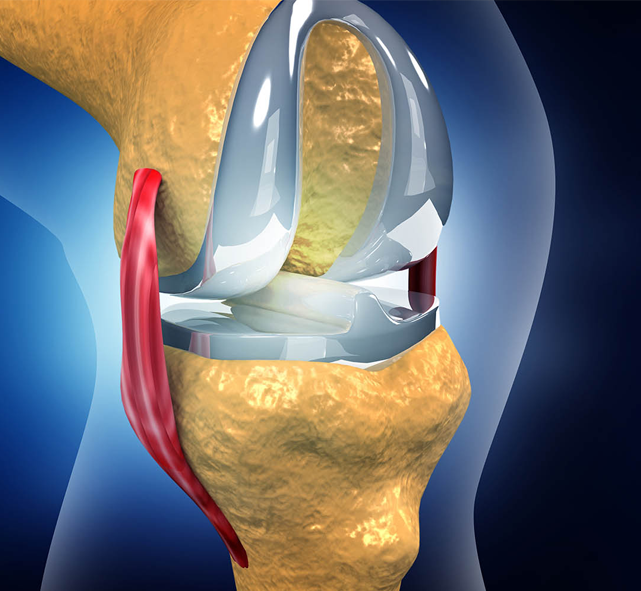
- Open Reduction and Internal Fixation (ORIF) – Surgical realignment and stabilization using plates, screws, nails, or wires.
- External Fixation – A stabilizing frame applied outside the body, ideal for:
- Open fractures with soft-tissue injury
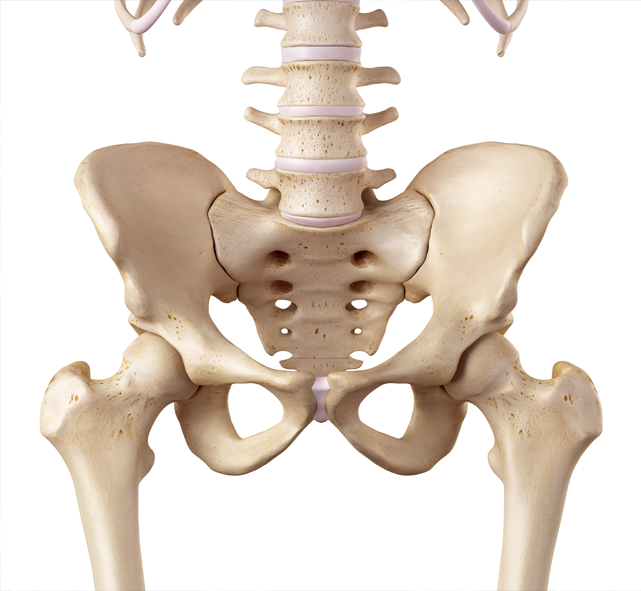
- Pelvic and unstable fractures
- Limb lengthening procedures
- Fractures with infection or non-union
Rehabilitation and Recovery
Healing may take weeks to months, depending on the severity and type of fracture. Even after cast or brace removal, a tailored rehabilitation program is essential to restore mobility, strength, and function.
At COSM, we emphasize comprehensive care—from accurate diagnosis and advanced treatment (non-operative or surgical) to guided rehabilitation—helping patients return safely to daily activities, work, and sports.
Types of Fractures We Treat
- Simple fractures (closed, non-displaced)
- Comminuted / displaced fractures
- Pediatric fractures (incl. growth plate injuries)
- Open fractures
- Intraarticular fractures (joints involved)
- Complex fractures with soft tissue injury
- Polytrauma / multiple fractures
- Malunion / nonunion / delayed union
Why Choose COSM for Fracture Care
- Personalized care plans balancing safety, healing, and speed of recovery.
- Use of modern surgical techniques and minimally invasive options when suitable.
- A multidisciplinary team including orthopaedic surgeons, traumatologists, physiotherapists.
- Focus on patient education — what to expect, care of cast / wound, physiotherapy.
- Close follow-up to monitor healing and early intervention if problems arise.