



Knee
Anatomy
Conditions / Disorders
Procedures
Knee Osteoarthritis

What is Osteoarthritis?
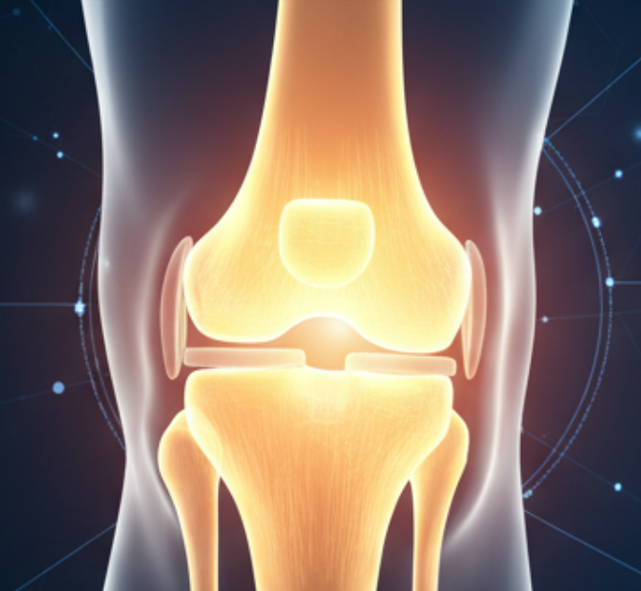
Osteoarthritis (OA) is a degenerative joint disease characterized by the gradual breakdown of cartilage – the protective tissue covering the ends of bones in joints. In the knee, this leads to pain, stiffness, and reduced mobility. Often referred to as “wear-and-tear” arthritis, knee osteoarthritis can affect people of all ages but is more common in older adults. Over time, it may lead to joint deformity and loss of function.
Causes of Knee Osteoarthritis
Knee osteoarthritis develops due to a combination of factors, including:
- Age: The risk increases with aging as cartilage naturally wears down.
- Joint Injury: Past injuries, such as fractures or ligament tears, can predispose the knee to osteoarthritis.
- Obesity: Excess weight puts additional stress on the knees, accelerating cartilage wear.
- Genetics: A family history of osteoarthritis can increase susceptibility.
- Repetitive Stress: Activities involving repetitive knee movements or heavy lifting can contribute to cartilage breakdown.
- Inflammation: Chronic low-grade inflammation may play a role in joint degradation.
Symptoms of Knee Osteoarthritis
The symptoms of knee osteoarthritis vary in severity and include:
- Pain: A dull or sharp ache, especially during or after movement.
- Stiffness: Most noticeable after periods of inactivity or in the morning.
- Swelling: Due to inflammation or fluid accumulation in the joint.
- Reduced Range of Motion: Difficulty bending or straightening the knee.
- Grinding or Clicking Sensations: Caused by cartilage wear and roughened joint surfaces.
- Joint Instability: A feeling of the knee “giving way.”
Treatment of Knee Osteoarthritis
Treatment aims to reduce pain, improve function, and slow disease progression. Options include:
Non-Surgical Treatments
- Medications: Pain relievers (acetaminophen, NSAIDs), topical creams, or corticosteroid injections.
- Physical Therapy: Strengthening exercises to support the knee joint.
- Assistive Devices: Braces, orthotics, or canes to reduce strain on the knee.
- Lifestyle Modifications: Weight management and activity adjustments.
Surgical Treatment of Knee Osteoarthritis
Surgical intervention for knee osteoarthritis is considered when non-surgical treatments fail to relieve symptoms or restore function. The choice of procedure depends on the severity of arthritis, the patient’s age, activity level, and overall health. As a specialist in knee surgery, I offer tailored surgical solutions designed to address your specific condition and lifestyle requirements.
1. Arthroscopic Surgery
For patients with early-stage arthritis, arthroscopy may be beneficial when associated conditions like a symptomatic loose body or a meniscal tear are present. This minimally invasive procedure involves inserting a small camera into the knee joint to assess and treat the underlying issue. Arthroscopic surgery can help reduce pain, improve joint function, and delay the progression of arthritis.
2. Osteotomy
Osteotomy is an excellent option for younger, active patients with arthritis confined to one compartment of the knee. This procedure involves reshaping or realigning the bones to shift the weight-bearing load away from the affected area. Osteotomy can help preserve the natural joint, reduce pain, and improve function, delaying the need for joint replacement.
3. Partial Knee Replacement (Unicompartmental Knee Arthroplasty)
For older, less active patients with arthritis limited to a single compartment, partial knee replacement may be an ideal choice. In this procedure, only the damaged part of the knee is replaced with an implant, preserving the healthy bone and cartilage. Benefits include quicker recovery, less postoperative pain, and a more natural feeling joint compared to total knee replacement.
4. Total Knee Replacement (Total Knee Arthroplasty)
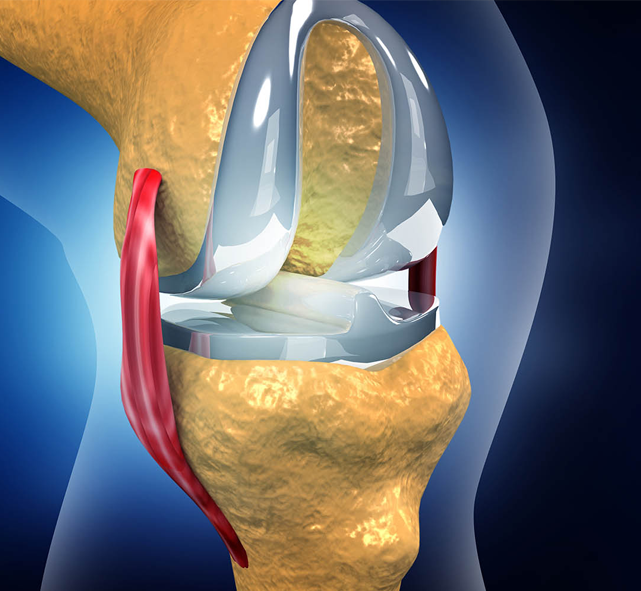
Severe and widespread knee osteoarthritis is most commonly treated with total knee replacement. This procedure involves replacing the damaged joint surfaces with artificial implants made of metal and plastic. Total knee replacement offers significant pain relief, improved mobility, and restoration of joint alignment and function. It is highly effective for patients whose arthritis affects multiple compartments of the knee and who experience significant impairment in their daily activities.
How to Prevent Progression of Knee Osteoarthritis
Although OA cannot be cured, these strategies may help slow its progression:
- Maintain a Healthy Weight: Reducing excess weight decreases knee strain.
- Stay Active: Regular, low-impact exercise helps maintain joint flexibility and strength.
- Use Joint Protection Techniques: Avoid repetitive or high-impact activities.
- Eat a Balanced Diet: Include anti-inflammatory foods rich in omega-3 fatty acids, vitamins D and C, and antioxidants.
- Manage Pain Early: Address symptoms promptly to avoid further joint damage.
- Monitor Joint Health: Regular check-ups with a healthcare provider.
How to Prevent Progression of Knee Osteoarthritis
Although OA cannot be cured, these strategies may help slow its progression:
- Maintain a Healthy Weight: Reducing excess weight decreases knee strain.
- Stay Active: Regular, low-impact exercise helps maintain joint flexibility and strength.
- Use Joint Protection Techniques: Avoid repetitive or high-impact activities.
- Eat a Balanced Diet: Include anti-inflammatory foods rich in omega-3 fatty acids, vitamins D and C, and antioxidants.
- Manage Pain Early: Address symptoms promptly to avoid further joint damage.
- Monitor Joint Health: Regular check-ups with a healthcare provider.
Physical Activities and Exercises for Knee Osteoarthritis
Regular physical activity is a cornerstone in managing knee osteoarthritis (OA). Engaging in targeted exercises can reduce pain, improve joint function, and enhance overall quality of life. As an orthopedic surgeon, I emphasize the importance of a tailored exercise program designed to meet the individual needs of each patient.
Why Exercise is Important for Knee Osteoarthritis
For individuals with knee OA, exercise offers numerous benefits, including:
- Pain Relief: Strengthening muscles around the knee reduces stress on the joint.
- Improved Mobility: Regular movement helps maintain range of motion and joint flexibility.
- Stronger Muscles: Building muscle support stabilizes the knee and protects it from further damage.
- Enhanced Quality of Life: Exercise combats stiffness and fatigue, promoting overall well-being.
Recommended Types of Exercises
The ideal exercise program for knee OA includes a combination of aerobic activities, strengthening exercises, stretching, and balance training.
- Aerobic Exercises
Aerobic activities improve cardiovascular health and assist in weight management, reducing pressure on the knees. Recommended options include:
- Walking: A low-impact, easy-to-moderate activity that keeps joints moving.
- Cycling: Improves knee flexibility and strengthens leg muscles with minimal joint strain.
- Swimming or Water Aerobics: Water’s buoyancy supports body weight, relieving stress on the knees while enhancing strength and endurance.
- Strengthening Exercises
Building the muscles around the knee, particularly the quadriceps and hamstrings, helps stabilize the joint and absorb shock. Examples include:
- Straight Leg Raises: Strengthens the front thigh muscles without stressing the knee.
- Wall Sits: Engages the quadriceps for stability and support.
- Step-Ups: Improves balance and lower body strength.
- Stretching and Flexibility Exercises
Stretching reduces stiffness and enhances the knee’s range of motion. Common stretches include:
- Hamstring Stretches: Improves flexibility in the back of the thigh.
- Calf Stretches: Alleviates tightness in the lower leg muscles.
- Quadriceps Stretches: Enhances flexibility in the front thigh muscles.
- Balance and Stability Training
These exercises reduce the risk of falls and improve joint control. Examples include:
- Single-Leg Stands: Builds strength and balance.
- Tai Chi: Combines slow, deliberate movements to improve stability and reduce pain.
Guidelines for Safe Exercise
To ensure safety and maximize benefits, follow these recommendations:
- Start Slow: Begin with low-intensity exercises and gradually increase duration and intensity.
- Warm-Up and Cool Down: Prepare your muscles and joints before and after each session.
- Avoid High-Impact Activities: Running or jumping can worsen symptoms.
- Listen to Your Body: Stop if you feel sharp pain or discomfort during exercise.
- Consult an Expert: Work with a physiotherapist or your orthopedic surgeon to design a program tailored to your condition.
Why Choose a Care Orthopaedic and Sports Medicine Services?
At Care Orthopaedic and Sports Medicine Services we provide expert consultation, advanced diagnostic tools, and both non-surgical and surgical treatment options for patients with knee osteoarthritis. Our goal is to help you regain mobility, reduce pain, and improve your quality of life.
If you’re considering surgical treatment for knee osteoarthritis, schedule a consultation to discuss your options and develop a personalized treatment plan.