


Shoulder & Elbow
Anatomy
Conditions / Disorders
Procedures
Procedures of Shoulder & Elbow
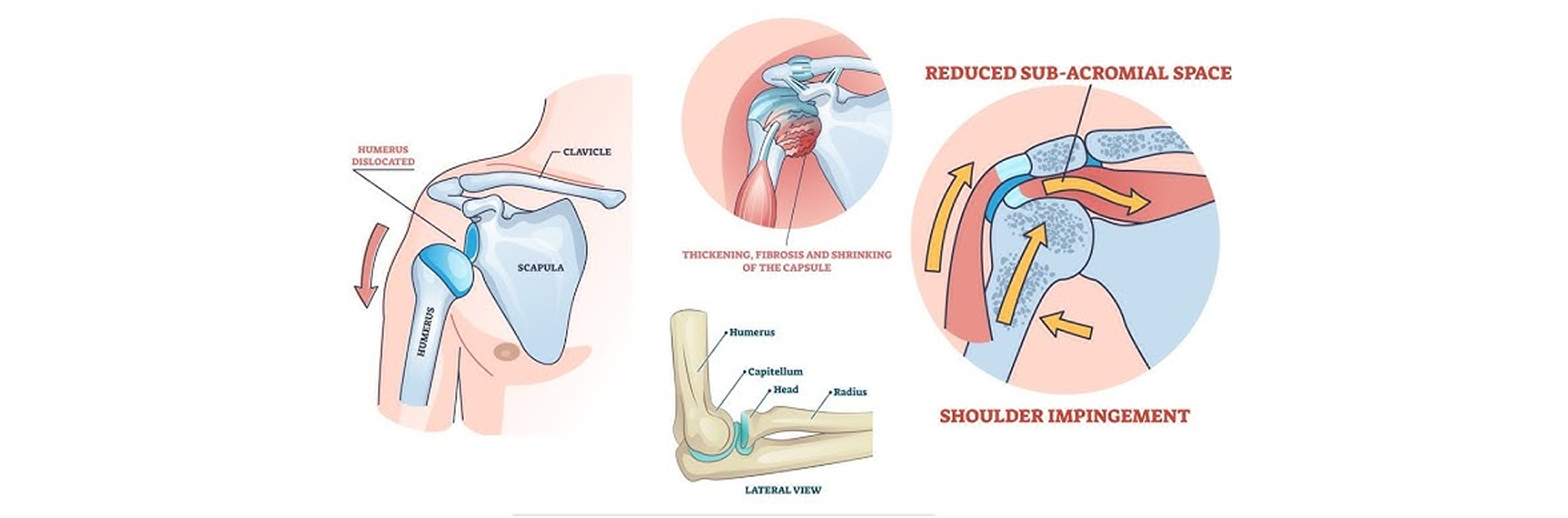
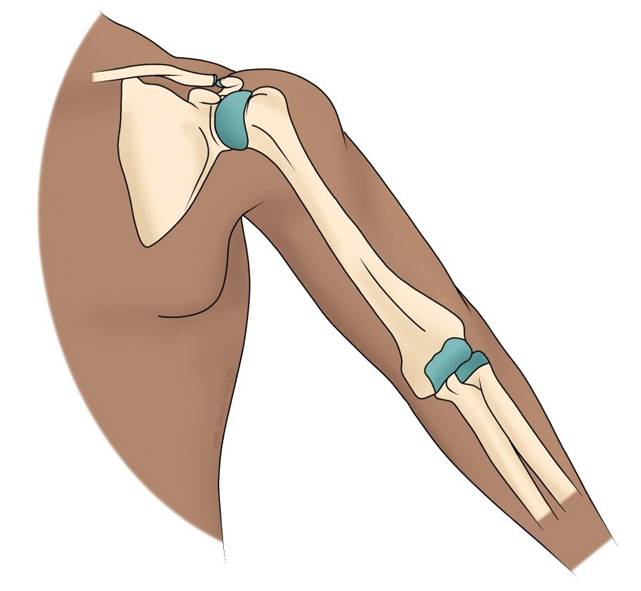
Procedures for the shoulder and elbow are designed to relieve pain, restore movement, and improve joint stability following injury, degeneration, or chronic disorders. Treatment typically begins with non-surgical options, including physiotherapy, which helps strengthen surrounding muscles and improve range of motion, and medication or corticosteroid injections to reduce inflammation and discomfort. When conservative management fails, minimally invasive procedures such as arthroscopy are performed to diagnose and treat conditions like rotator cuff tears, labral injuries, loose bodies, or cartilage damage.
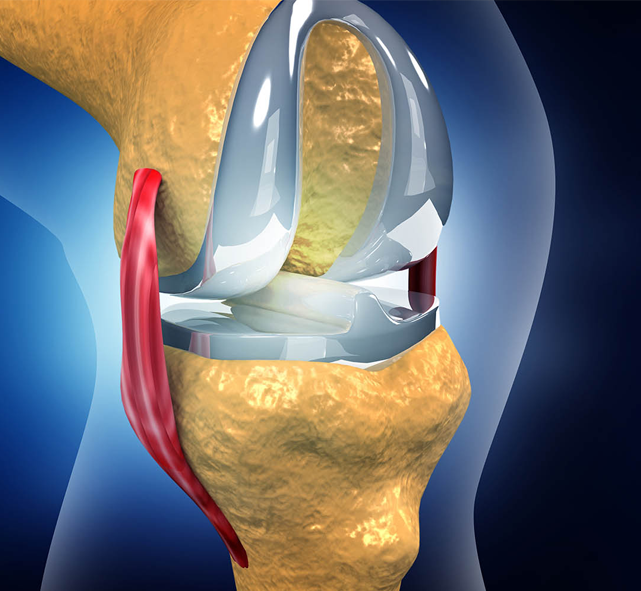
In more severe cases, surgical interventions may be required, including tendon or ligament repair, joint reconstruction, or joint replacement (arthroplasty) for advanced arthritis. Fracture fixation with plates, screws, or pins helps restore bone alignment and stability after trauma. Post-procedure rehabilitation is an essential part of recovery, focusing on restoring strength, flexibility, and function while preventing stiffness and future injuries. Together, these procedures aim to restore optimal performance of the shoulder and elbow for everyday and athletic activities.