



Knee
Anatomy
Conditions / Disorders
Procedures
Total Knee Replacement for Severe Knee Arthritis
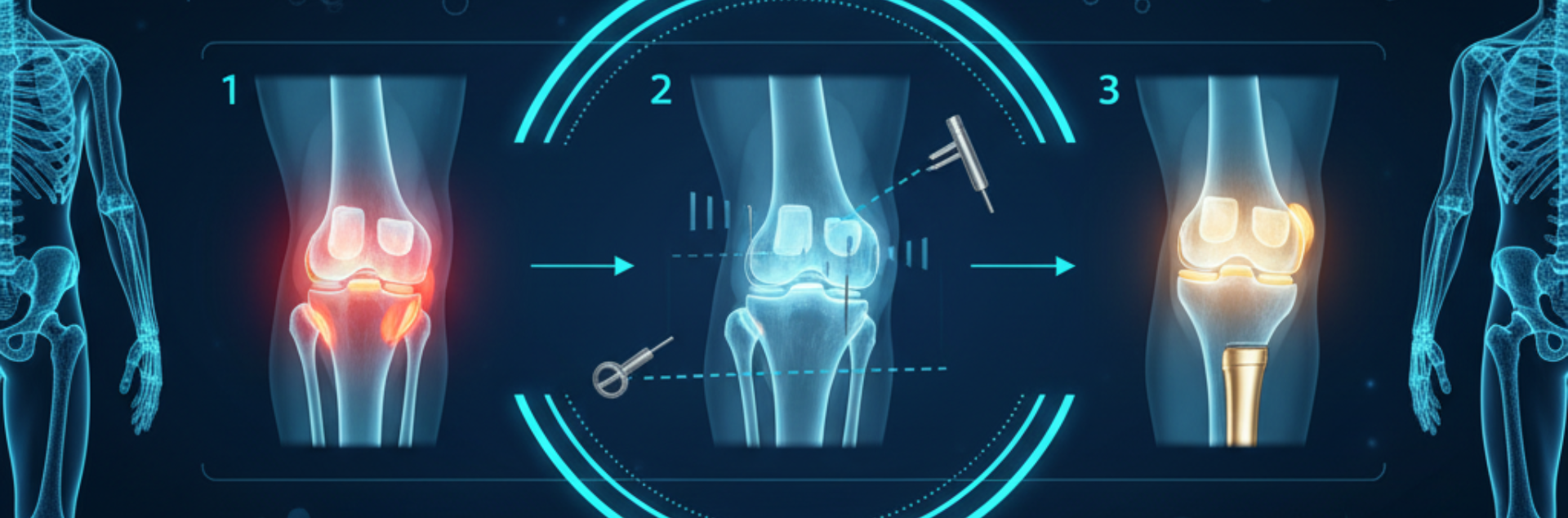
Total knee replacement is a life-changing procedure for patients suffering from debilitating knee arthritis. This surgery replaces damaged cartilage and bone with a durable metal-and-plastic prosthetic joint, restoring function and alleviating pain. It’s a widely performed surgery across the world, offering hope for those whose pain persists despite conservative treatments like medications, physical therapy, and injections.
When Is Total Knee Replacement Recommended?
The procedure is typically indicated for patients experiencing:
- Severe Osteoarthritis:Persistent pain and joint damage that significantly impair daily activities.
- Unsuccessful Conservative Treatments:Failure of oral medications, injections, and physiotherapy to provide relief.
- Functional Limitations:Reduced range of motion, difficulty walking, and progressive deformities like bow-legged alignment.
- Tri-Compartmental Arthritis:Arthritis affecting all three compartments of the knee, confirmed via standing X-rays.
Understanding Knee Arthritis and Joint Damage
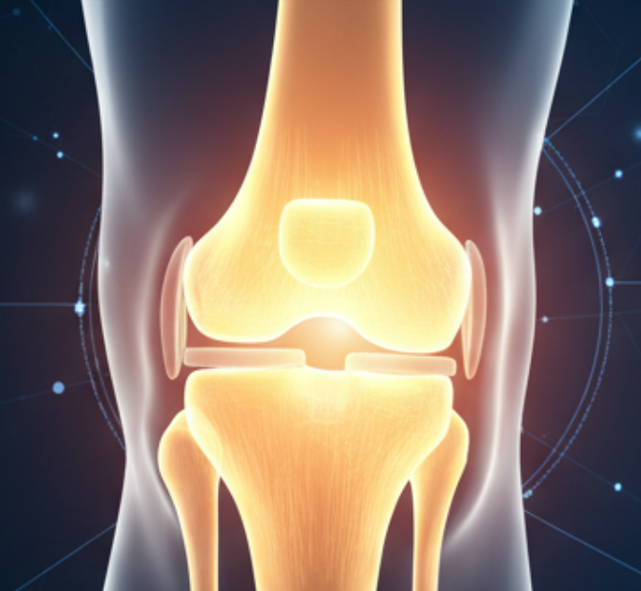
Knee arthritis involves the gradual loss of cartilage—the smooth, gliding surface covering the ends of the bones in the joint. As this cartilage wears away:
- Bone-on-Bone Contact:Exposed bones rub against each other, causing pain, stiffness, swelling, and inflammation.
- Joint Deformity:Misalignment, such as bow-leggedness, develops as the knee structure deteriorates.
- Irreversible Damage:Once cartilage is lost, it cannot regenerate, making knee replacement the most effective long-term solution.
Alternatives to Total Knee Replacement
For patients seeking non-surgical options, alternatives may provide temporary relief:
- Polymer Injections:
- These injections coat the exposed bone, reducing inflammation and pain for up to 12 months.
- Ideal for moderate arthritis to delay surgery.
- Limitations include high costs, potential reactions (1 in 100 cases), and small infection risks (1 in 300 cases).
- Arthroscopic Debridement:
- Offers transient relief by flushing the joint to reduce inflammation.
- Ineffective for long-term arthritis management and generally not recommended.
- Knee Bracing:
- Particularly useful for unicompartmental arthritis with bow-legged alignment.
- Offloading braces can delay surgery by redistributing weight, though compliance can be an issue due to discomfort.
The Procedure: Total Knee Replacement Surgery
- The Implant:
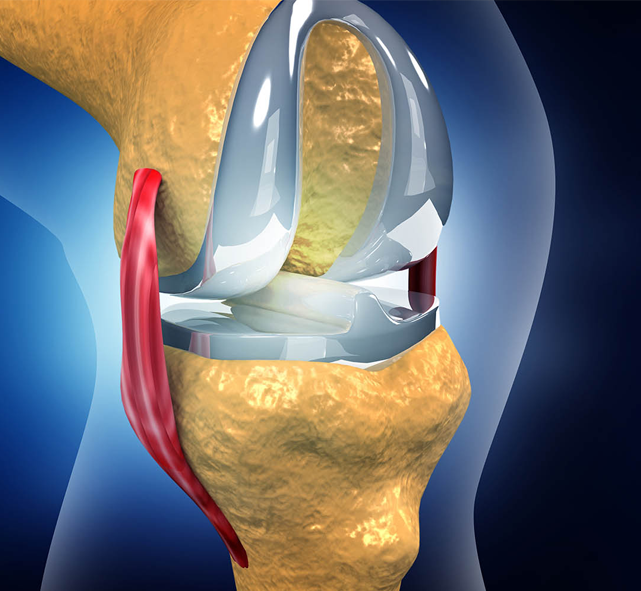
- Consists of a polished metal femur, a metal tibial component, and a durable plastic patella and tibial tray.
- Designed to last 15-25 years, depending on activity levels, weight, and implant quality.
- The Procedure:
Knee replacement surgery involves removing a disease or injured knee and replacing it with an artificial joint. More than 99 percent of patients have dramatically less knee pain and an improvement in performing their daily tasks.
- During the procedure, which is done under anesthesia, you will have your knee in a bent position. This is so all parts of the joint can be fully exposed.
- Your surgeon will make an incision in the knee, move your kneecap aside and remove the damaged joint surface.
- When the joint surfaces are ready, your surgeon will insert and attach the artificial joint.
- Before your knee is closed, the surgeon will bend and rotate it to ensure that it is working properly.
- The entire procedure lasts about 90 minutes.
- When your procedure is complete, you will be taken to a recovery room for observation.
- Once your vital signs are stable and you are alert, you will be taken to your hospital room. Most patients stay for two days before going home.
Postoperative Care and Recovery
Effective postoperative care is essential for a smooth recovery following knee replacement surgery. Here’s what to expect during your recovery process:
In-Hospital Recovery
- Early Mobilization:You will be encouraged to move your ankle and foot shortly after surgery to prevent swelling and reduce the risk of blood clots.
- Thrombosis Prevention:Your doctor may prescribe blood thinners and recommend wearing support stockings to further minimize the risk of clot formation.
- Physical Therapy:On the day after surgery, a physical therapist will assist you with gentle exercises to begin moving your new knee. They will also develop a personalized exercise program for you to follow after discharge.
At-Home Recovery
Adhering to your doctor’s and physical therapist’s recommendations is critical to achieving the best outcomes. Key steps include:
- Incision Care:Keep the surgical incision clean and dry to promote proper healing.
- Balanced Nutrition:A healthy diet will aid in wound healing and help rebuild muscle strength.
- Activity Program:Engage in a structured exercise regimen, including graduated walking and knee-strengthening exercises. These activities will facilitate a return to normal daily routines. Avoid high-impact movements to protect your new joint.
Recovery Timeline
- First 6 Weeks:Gradual improvement in mobility and strength. You may resume light activities, including driving, once cleared by your doctor.
- Ongoing Rehabilitation:Regular physical therapy sessions will enhance range of motion and strengthen the knee. Water-based exercises can help reduce joint pain and swelling.
It is normal to feel a soft clicking sensation in the joint during movement, which will diminish over time as your muscles adapt to the new prosthesis.
What to Expect During Recovery
Recovery from total knee replacement requires patience and commitment:
- Early Weeks:Swelling and stiffness are common, with progress in rehabilitation gradually improving mobility.
- Physical Therapy:A critical component for regaining strength and range of motion.
- Ongoing Monitoring:Annual X-rays ensure the prosthetic remains in good condition and detect any wear early.
Key Considerations for Surgery
- Weight Management:
- Patients with a BMI over 40 are at a significantly higher risk of complications such as infection and implant failure.
- Reducing BMI improves surgical outcomes and prosthetic longevity.
- Activity Levels:
- High-impact activities are discouraged to minimize wear on the polyethylene liner.
- Maintaining a healthy weight and an active lifestyle within reasonable limits preserves implant function.
- Longevity and Maintenance:
- Prosthetics typically last 15-25 years, with periodic evaluations to monitor wear.
- Early detection of wear allows for simple liner replacement, avoiding extensive revision surgeries.
Your Path to Pain-Free Living
Total knee replacement offers a transformative solution for severe arthritis, restoring mobility, reducing pain, and improving quality of life. While recovery requires dedication, the results are often life-changing, with most patients returning to daily activities and enjoying a pain-free lifestyle within a few months.