




Hip Injections

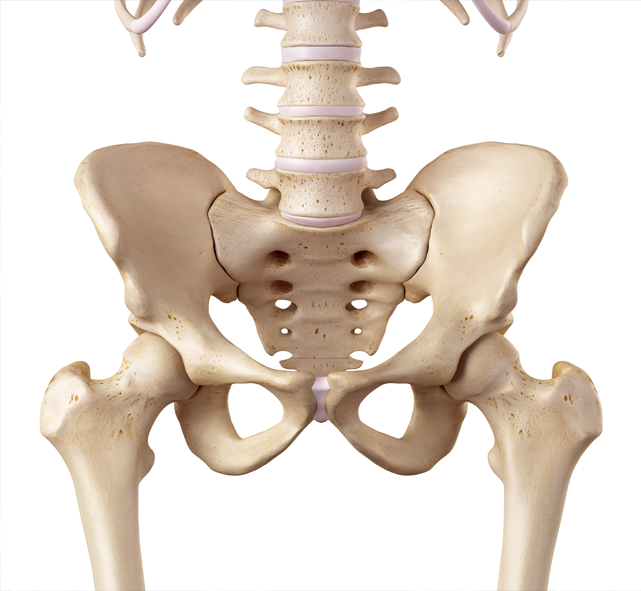
Hip injections are a minimally invasive procedure used to diagnose and treat pain stemming from the hip joint. These injections are an effective option for patients experiencing hip pain due to arthritis, injury, or mechanical stress.
What Are Hip Injections?
Hip injections deliver medication directly into the hip joint to:
- Diagnose Pain: The numbing agent in the injection temporarily alleviates pain if the joint is the source, helping to confirm or rule out the hip joint as the cause.
- Treat Pain and Inflammation: The cortisone component reduces inflammation, providing long-term relief from hip pain.
Patients may experience pain not only in the hip but also in the buttock, leg, or lower back, making these injections a valuable diagnostic and therapeutic tool.
The Hip Injection Procedure
The procedure is carefully conducted to ensure accuracy and comfort:
- Preparation:
- A relaxation medicine may be administered via an IV line if necessary.
- The injection site is numbed with a local anesthetic.
- Guided Injection:
- The patient is positioned on an X-ray table in the operation theater for fluoroscopic guidance to ensure accurate needle placement.
- A contrast dye is first injected into the joint to confirm the precise positioning of the needle and ensure the medication will reach the target area effectively.
- A carefully measured combination of anesthetic and cortisone is then administered slowly into the joint to provide both immediate and long-term pain relief.
- Duration:
- The entire procedure takes about 30 to 40 minutes.
This highly controlled approach minimizes risks and maximizes the effectiveness of the injection.
After Your Cortisone Injection in the Hip
- Immediate Care:
- Take it easy for the rest of the day. Avoid strenuous activities or prolonged standing.
- Pain Levels:
- Once the local anesthetic wears off (typically within three hours), your initial pain may return temporarily.
- Relief often begins within three days as the cortisone reduces inflammation, significantly lowering pain levels.
What to Expect After the Procedure
- Immediate Effects:
- The patient rests for 20–30 minutes post-procedure. They are then asked to move the joint to assess pain relief.
- Pain relief may vary depending on whether the hip joint is the source of the pain.
- Tracking Progress:
- Patients are advised to monitor and record their pain levels over the following week.
- Physical therapy may be recommended to improve joint mobility and strength.
- Activity Resumption:
- Even with significant pain relief, activities should be increased gradually over one to two weeks to avoid a recurrence of symptoms.
Risks and Potential Complications
Though generally safe, hip injections carry a few potential risks, including:
- Temporary swelling or pain at the injection site.
- Skin depigmentation or thinning.
- Tendon rupture.
If the injection successfully targets the source of the pain, relief is often noticeable within 2 to 5 days. If no improvement is observed within 10 days, additional diagnostic evaluations may be needed.
Expert Care with Proven Results
Our Care Orthopaedic and Sports Medicine team specializes in providing precise, fluoroscopy-guided hip injections using advanced techniques to ensure maximum comfort and accuracy. With a focus on patient well-being and long-term relief, we are committed to helping you regain mobility and improve your quality of life.