


Hip Replacement

At Care Orthopaedic and Sports Medicine Center, we specialize in advanced hip replacement surgery, providing relief to patients suffering from severe hip pain, stiffness, and functional limitation. Our goal is to help patients return to an active, pain-free lifestyle with the highest standard of orthopedic care.
What is it?
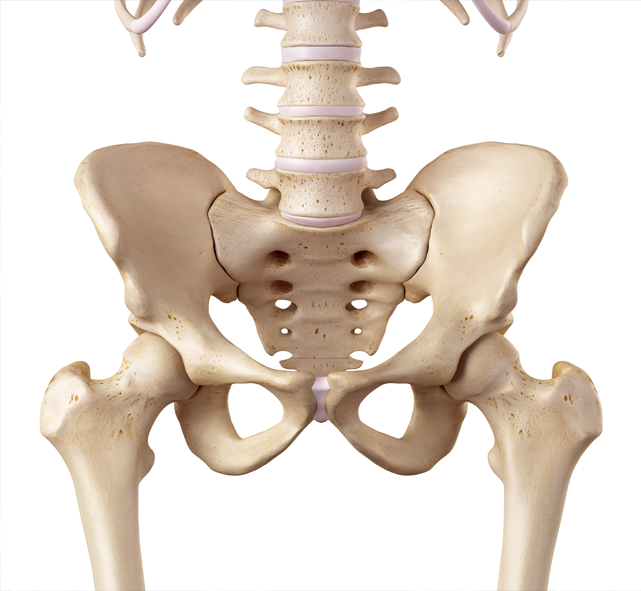
A hip replacement is a type of surgery in which a degenerated hip is replaced with an artificial joint.
Types of Hip Replacement Procedures
There are different kinds of hip prosthesis which depend on how the affected bones are replaced:
- Total Hip Replacement (THR):Replacement of both ball and socket.
- Partial Hip Replacement:Only the femoral head (ball) is replaced.
- Minimally Invasive Hip Replacement:Smaller incision, faster recovery.
- Revision Hip Replacement:For failed or worn-out previous implants.

Why would you do it?
A hip replacement is used to alleviate pain and restore function in patients who have not responded to previous treatment (rest, rehabilitation, and anti-inflammatories).
This procedure is highly effective for patients with:
- Severe osteoarthritis or rheumatoid arthritis
- Avascular necrosis of the hip
- Hip fractures not suitable for fixation
- Failed previous surgeries or deformities
What does it involve?
To carry out the procedure general or spinal (from the waist down) anaesthetic is used. When replacing the prosthesis, general anaesthetic is used as the procedure tends to take more time.
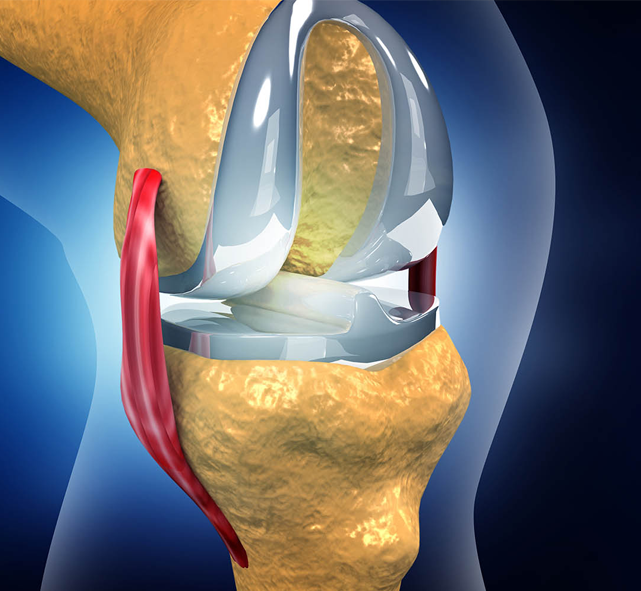
The materials used in a hip prosthesis are intended to make movement be as similar as possible to normal joint movements. Different types of metal are used to make the implants, including: stainless steel, cobalt alloys, chromium, titanium. Some replacements are made of plastic – normally polyethylene, which is highly durable and resistant to wear and tear.
The surgery usually takes between 60 and 90 minutes to complete.
How to prepare for a replacement
A preoperative study is carried out before the procedure and includes:
- Blood tests
- Hip X rays
- Chest X-ray
- Echocardiogram
In some cases, additional tests may be needed, such as a pulmonary ventilation test or allergy tests.
Finally, you will have a meeting with the anaesthetist to check your suitability for a general anaesthetic or epidural.
Recovery and Rehabilitation
Post-operative care
After the operation, you are likely to need to use crutches for four to six weeks. At Care Orthopaedic and Sports Medicine Center, we provide comprehensive rehabilitation programs, including physiotherapy, gait training, and lifestyle advice to ensure optimal recovery. Most patients are able to walk with support next day after surgery and gradually return to daily activities.
To help the area recover:
- Keep the dressing dry and clean.
- Keep the leg elevated whenever possible
- Sit on chairs that are high and have armrests or sit on firm sofas.
- Use comfortable shoes that give good foot support
- Follow a balanced diet that is high in iron and fibre and with plenty of fluids
- Take extra care at home, removing carpets, cable, or furniture that could cause a fall and be careful on wet floors
It can also help to sleep face up and with a pillow between the legs and not to sleep on their side. When going to the toilet, you can use a raise toilet seat temporarily to avoid excessive joint flexion.
Finally, it is important to seek urgent medical help if you experience the following symptoms:
- A heavy ache in the hip
- Pain and tenderness in one of your legs
- Breathlessness or chest pain
- A high temperature
- Hip pain even at rest
Why Choose Us?
- Fellowship-trained orthopaedic surgeonswith international experience
- Use of advanced implants and techniques
- Personalized patient care and rehabilitation
- Commitment to safety, precision, and long-term outcomes