



After Hip Replacement

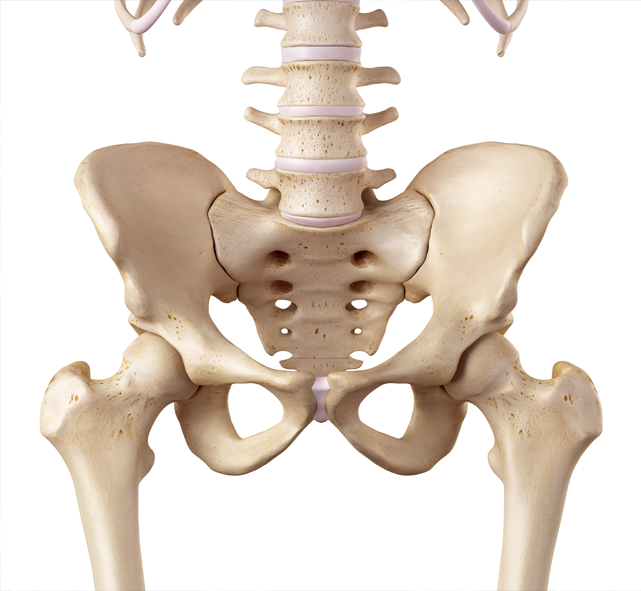
Hip replacement surgery involves replacing the damaged parts of the hip joint with an artificial prosthesis to alleviate pain and restore mobility. Post-surgery recovery plays a crucial role in achieving optimal outcomes and resuming a pain-free lifestyle. By adhering to specific precautions and making necessary adjustments to daily activities, you can maximize your recovery success.
Post-Operative Care Instructions
- Initial Recovery and Hospital Stay
- Pain and Swelling Management: Pain and swelling are normal after surgery and can be controlled with medications prescribed by your doctor.
- Discharge Criteria: You will be discharged once you can manage basic activities like getting in and out of bed, walking with assistance, and using the bathroom independently. If further support is needed, you may be transferred to a rehabilitation facility.
- At-Home Care
- Arrange for a family member or caregiver to assist you during the initial weeks.
- Caregiver Responsibilities:
- Assist with daily movements and provide emotional support.
- Ensure medications are taken on time and correctly.
- Help with household tasks, paperwork, and transportation for appointments.
- Motivate and guide you through rehabilitation exercises.
- Rearrange furniture to create a safe, obstacle-free environment.
- Place frequently used items within easy reach to minimize bending or stretching.
Doctor’s Recommendations
- Seating and Movement:
- Use a high chair to prevent your knees from rising above hip level.
- Avoid crossing your legs or leaning forward while sitting.
- Bathing:
- Use a shower chair or gripping bar for added safety.
- Long-handled sponges and shoehorns can help avoid bending.
- Sleeping:
- Sleep with a pillow between your legs and follow your doctor’s advice on proper sleeping positions.
- Wound Care:
- Keep the wound clean and dry. Your doctor will inform you when it is safe to shower or bathe.
Rehabilitation and Exercise
- Physical Therapy: Follow your prescribed therapy program diligently for at least two months.
- Recommended activities: Walking, stationary bicycling, and swimming (only after the wound is fully healed).
- Weight-Bearing: You may need to bear only partial weight on the operated leg for a period as instructed by your surgeon.
Monitoring and Emergency Awareness
- Be vigilant for signs of infection or blood clots, such as:
- Excessive pain, swelling, or redness.
- Fever, chills, or unusual drainage from the wound.
- Contact your doctor immediately if any of these symptoms occur.
Resuming Activities
- You may return to driving once you have adequate pain control, strength, and reflexes, and are no longer on narcotic pain medications.
- Resumption of work, physical activities, and sexual activity will depend on your doctor’s assessment and your progress during recovery.
Your Recovery, Our Priority
With proper care and adherence to these guidelines, you can recover successfully and regain your mobility. Trust our experienced orthopaedic team to support you every step of the way. We are committed to delivering the highest standards of care, leveraging advanced techniques and prostheses to ensure the best outcomes for your hip replacement journey.