




Hip Hemiarthroplasty
What is Hip Hemiarthroplasty?
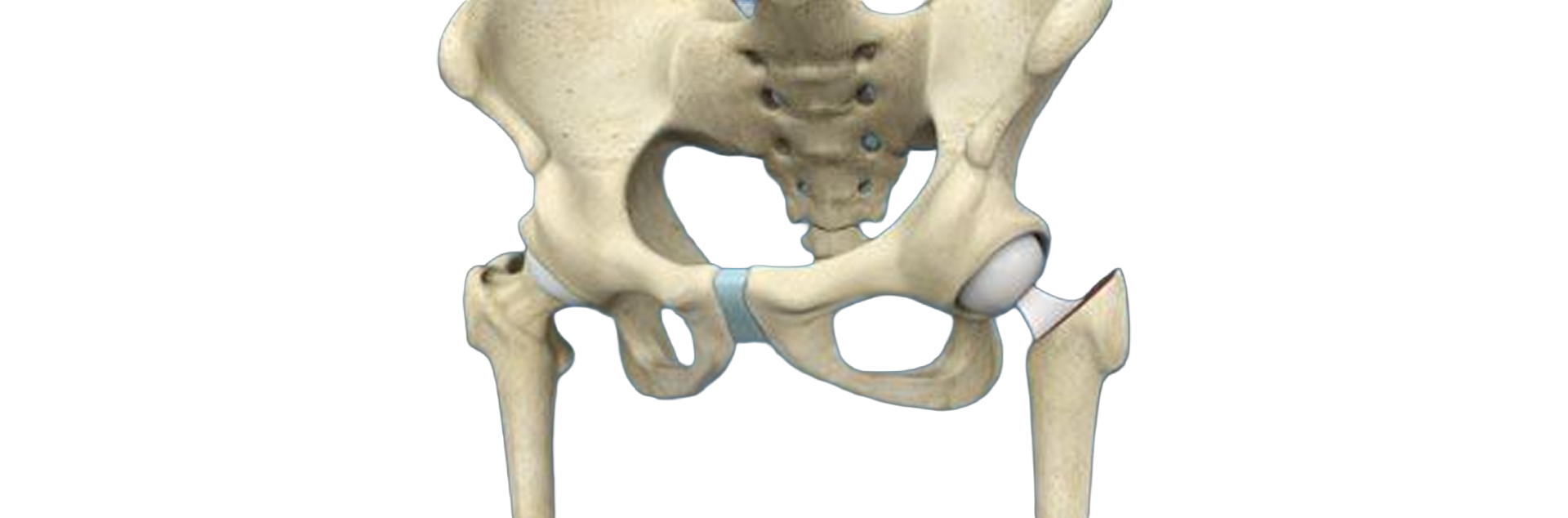
Hip hemiarthroplasty is a surgical procedure used primarily to treat hip fractures, especially in elderly patients with compromised bone quality. The procedure involves replacing only one part of the hip joint—the femoral head (ball)—with a metal prosthesis. This replacement helps restore function and alleviate pain when the femoral head is damaged, typically due to fractures or other degenerative conditions. The acetabulum (socket) remains intact during this procedure.
Hip Anatomy
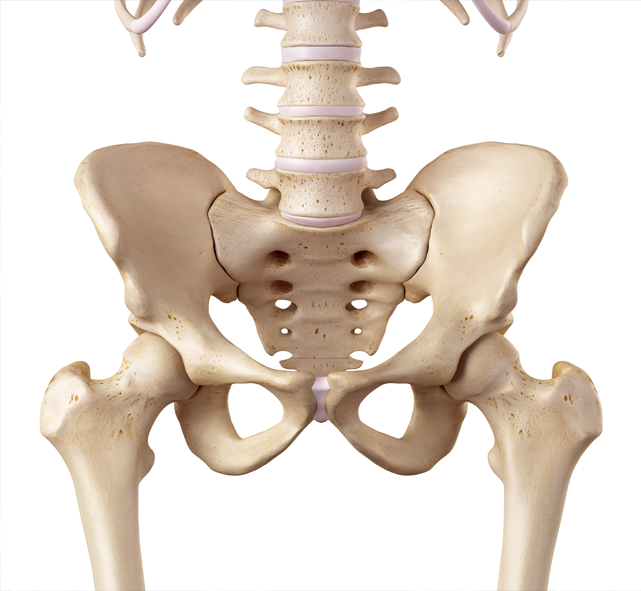
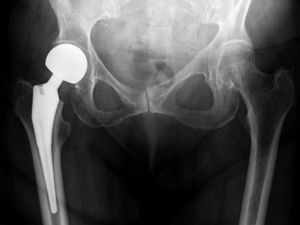
The hip joint is a ball-and-socket joint where the head of the femur (thighbone) fits into the acetabulum (hip socket) of the pelvis. Smooth articular cartilage covers the joint surfaces, facilitating movement and reducing friction. When a fracture or arthritis disrupts the joint’s function, surgical intervention such as hemiarthroplasty may be necessary.
Surgical Procedure of Hip Hemiarthroplasty
Hip hemiarthroplasty is performed under general anesthesia. The surgeon makes an incision along the side of the hip and carefully accesses the hip joint. The damaged femoral head is removed, and a metal prosthesis is inserted in its place. The prosthesis consists of a stem that is either press-fitted or cemented into the femur, depending on the patient’s bone health and age. After securing the prosthesis, the surgical site is closed with sutures and a dressing is applied.
Post-operative Instructions
Following surgery, certain precautions and recommendations should be followed to ensure proper healing and prevent complications:
- Pain Management:Medications will be prescribed to manage pain and reduce inflammation.
- Mobility Guidelines:Avoid crossing your legs, lifting heavy objects, or bending and twisting your hip. Use assistive devices like grabbers to pick things up.
- Sitting and Standing:Avoid sitting on low chairs or standing for long periods. Consider using an elevated toilet seat for ease of use.
- Physical Therapy:Your surgeon may recommend physical therapy to strengthen the hip muscles, improve mobility, and enhance the recovery process.
Risks and Complications
As with any surgery, hip hemiarthroplasty carries potential risks, including:
- Infection at the surgical site
- Dislocation of the prosthetic components
- Deep vein thrombosis (DVT)
- Loosening of the prosthesis
- Failure to relieve pain
Consult with your surgeon if you have concerns or experience unusual symptoms following surgery.
Hip hemiarthroplasty is a highly effective surgical solution for patients suffering from hip fractures or degenerative conditions affecting the femoral head. By replacing the damaged portion of the hip joint with a prosthesis, this procedure offers significant pain relief and restores functional mobility, helping patients regain their independence. It is essential for individuals undergoing hip hemiarthroplasty to follow post-operative instructions carefully and engage in rehabilitation to ensure optimal recovery.
Why Choose Care Orthopaedic and Sports Medicine Center?
- Expertise in hip fracture managementand joint replacement
- Fellowship-trained orthopedic surgeons with international experience
- Focus on early mobilization and patient safety
- Multidisciplinary care including physiotherapists and rehabilitation specialists
To learn more or book a consultation, call us at 03041 870870 or request an appointment online.