




Pre & Post Hip Surgery Guide

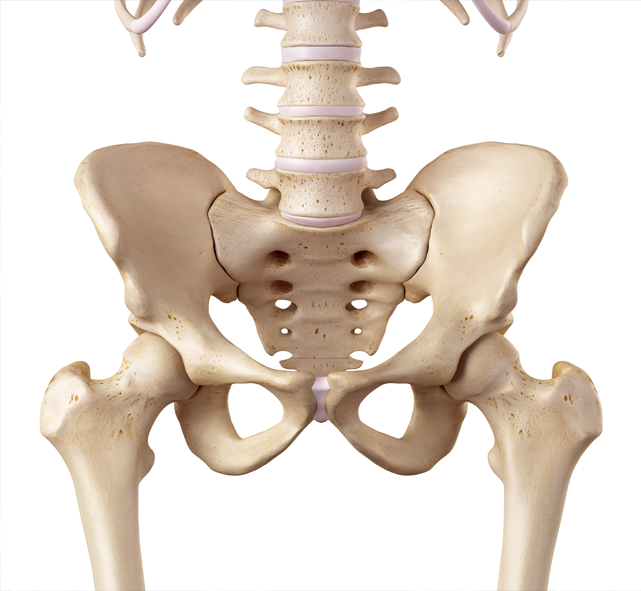
Planning for your hip surgery is essential to ensure a smooth operation and a successful recovery. Below are detailed pre-operative and post-operative guidelines to help you prepare and recover effectively.
Pre-Operative Guidelines
When your surgeon recommends surgery to address hip pain and restore movement, it’s time to prepare both physically and mentally. Here’s what to do:
- Medical Preparations
- Inform your doctor about all medications you’re currently taking. Some medications, including aspirin, anti-inflammatories, and herbal supplements, may need to be stopped to avoid complications such as bleeding.
- Quit smoking, as it can impair healing and increase surgical risks.
- Your doctor will discuss the risks, benefits, and possible complications associated with the surgery.
- Consult with your general physician to ensure no underlying health conditions might interfere with the surgery or recovery.
- Anesthesia Planning
- Based on your medical history and physical examination, your anesthetist will discuss the most suitable anesthesia options for you.
- Pre-Surgery Strengthening
- Your surgeon may recommend pre-operative exercises to enhance strength and flexibility, making your post-surgery recovery smoother.
- Home Preparations
- Remove any tripping hazards, such as loose rugs or clutter, and widen pathways for walking aids like walkers or canes.
- Relocate essential items (remote controls, medications, etc.) to easy-to-reach places.
- Untuck bedding for easier access to your bed.
- Consider setting up a temporary sleeping area on the ground floor to avoid stairs.
- Arrange for assistance with daily activities during the first few post-operative days.
- Prepare simple, single-serving meals for convenience after surgery.
Post-Operative Guidelines
After surgery, following the recommended guidelines will help you recover safely and efficiently:
- Hospital Recovery
- You’ll initially be monitored in a recovery room, where your vital signs will be observed. X-rays will confirm the success of the procedure.
- Depending on your stability, you’ll be transferred to a ward or room.
- With guidance from your surgeon and physiotherapist, you’ll start walking as soon as you feel comfortable.
- At-Home Care
- Avoid crossing your legs or allowing your knees to rise higher than your hips when sitting or standing.
- Use a sturdy chair with a higher seat to avoid low sofas or chairs.
- Keep assistance available for walking and daily tasks.
- Exercise and Rehabilitation
- Follow the prescribed post-operative exercises to strengthen your hip and improve mobility.
- Continue these exercises consistently until your surgeon confirms full recovery.
- Follow-Up Appointments
- Regular follow-ups at three, six, and nine months, as well as annual visits, are crucial to monitor your progress and address any concerns.
Plan Today for a Faster Recovery Tomorrow!
Taking these steps before and after surgery will give you the best chance of a smooth and successful recovery. For any additional questions or concerns, feel free to contact our orthopaedic team.
Why Choose Care Orthopaedic and Sports Medicine Center?
Our highly skilled orthopaedic team is led by experts with years of experience in performing successful hip replacements. We specialize in cutting-edge techniques and use state-of-the-art prostheses designed for optimal durability and functionality. With a focus on patient care and advanced technology, we ensure personalized treatment plans to help you regain mobility and live pain-free.
Let our expertise guide you through a seamless surgery and recovery journey. Your mobility is our mission!